Design Systems
Our services

Building a business case
We can help you quantify the efficiency gains in design and development processes, reduce time-to-market, and enhance user experience consistency, so that your stakeholders can clearly see the value proposition, facilitating informed decision-making and investment in the Design System initiative.
See how we can help
Building a Design System (MVP or v.1)
Our experts are ready to help you set the groundwork for a scalable and flexible design language that can evolve with the organization's needs, enabling efficient design and development workflows and establishing a consistent brand identity.
See how we can help
Driving adoption & scaling
Our team can help you with effective adoption strategies and scalability considerations to ensure the Design System remains relevant, valuable, and supportive of the organization's growing and changing design and development requirements.
See how we can helpFoundations
Learn the key concepts and lingo with these posts that go a little deeper than just the basics.


What is a design system?
Defining what a Design System is and what it means for an organization can be tricky. In this post, we'll take the conversation of Design Systems past style guides and component libraries and get into breaking down silos between development and design.
Scale Design
The six pieces of a design system
A design system is a set of tools, processes, guidelines and philosophies that combine to drive how a team designs a product. The purpose of a design system is to not only systematize product development, but to also establish the processes that teams use to design, develop, test and more. As a tool, it sets the foundation for your digital experiences and products to look and feel consistent to users, increase efficiency and quality for your teams, and protect your brand across all your touchpoints in the market.
Scale Design

A Developer's Guide to Design Systems
A design system is an amorphous thing. One definition I like, and there are several, is that it's an ecosystem of tools, guidelines, and shared values and principles that helps teams more efficiently ship consistent design. Similar to how different ecosystems emerge from the interactions of its communities, a design system varies from one business to the next, according to the needs and interactions of its teams. With that in mind, it's just not possible to define a specific set of artifacts that should make up every design system, nor should we try to.
Scale DesignBenefits

The ROI for Design Systems
As digital competition accelerates, the winners are those that deliver scaled experiences faster and more efficiently. While there are no easy answers, doing more with less is possible with Design Systems. To learn how, try our Design System ROI Calculator. Then read our Design System Business Case.
Scale Design

What are the top 3 organizational impacts of a design system?
Does it seem like everyone is talking about design systems? Well, it's with good reason. These collections of reusable components are making a massive impact on the organizations leveraging them. While the big players like Airbnb, Uber, and IBM are well known for their innovative design systems, this tool is changing the way even mid-sized organizations deliver digital products.
Scale Design
Beyond the Design System: Merging data and composable experiences
Andrew Kumar, Director of Platform Strategy at Contentful, and Bertrand Karerangabo, Vice President of Digital Strategy at Rangle share a wide-ranging look at CMS platforms—where they've come from, where they're going, and how to deliver top value to your digital customers now.
Escape CMS & Commerce Lock-InChallenges



Design System Product-Market Fit: Common design systems adoption pitfalls and how to avoid them
In this article, we share the most common pitfalls we see companies make who are planning or stuck in a failing design system project.
Scale Design


Is your design system performing?
Nowadays, many companies have a design system, but the issues many organizations currently face include scaling it, getting the right funding, determining who owns the design system, and getting buy-in from internal product teams to use it.
Scale Design

Five reasons your first design system will fail
In the course of three years of consulting and problem solving for companies with existing design systems, one fact has become (at times, painfully) obvious: Design systems are hard to get right.
Scale Design
How a Design System helped transform one of the world's largest retailers
See howMore resources
Radius: A quick start tool for your design system
The Radius design system starter kit is a collection of open-source tools and libraries that guide and help you to build your design system faster.
Get Radius
Radius Tracker: Measure your design system adoption
Radius tracker is a fully automated tool for collecting design system stats from the codebase.
Get Radius Tracker
Related expertise

Frontend Development
Frontend Development
Modernize customer-facing systems with frontend architectures that are easier to evolve.
See how we helpFrontend Cloud
Frontend Cloud
Use a frontend cloud stack that reduces infrastructure drag and improves performance.
See how we helpRelated case studies
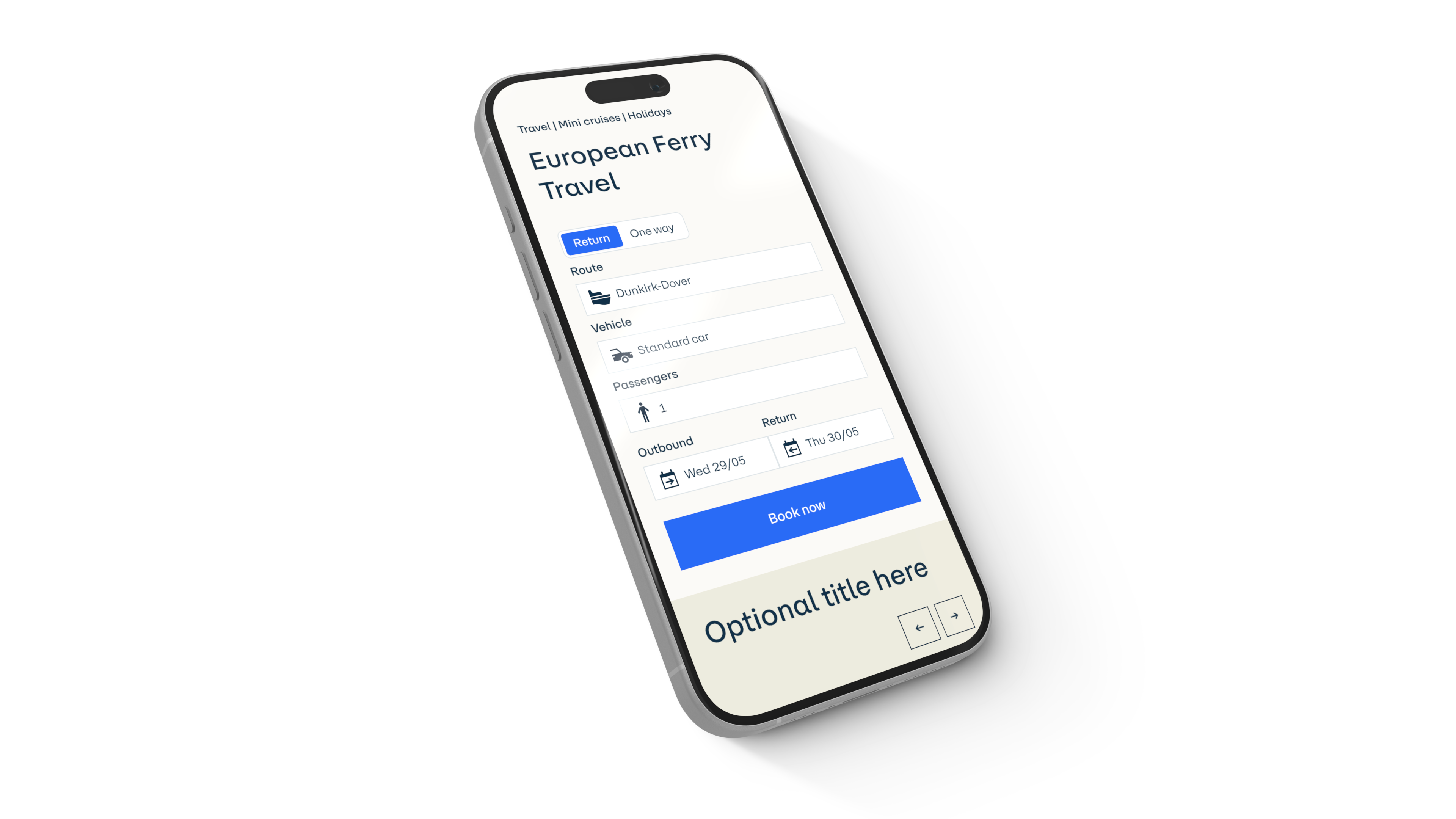
Building a Scalable Design System in 4 Months
Learn how we built a scalable design system in 4 months using Figma and shadcn/ui, reducing build times by 90% and enabling same-day marketing page creation for a European travel company's digital transformation.
Case Study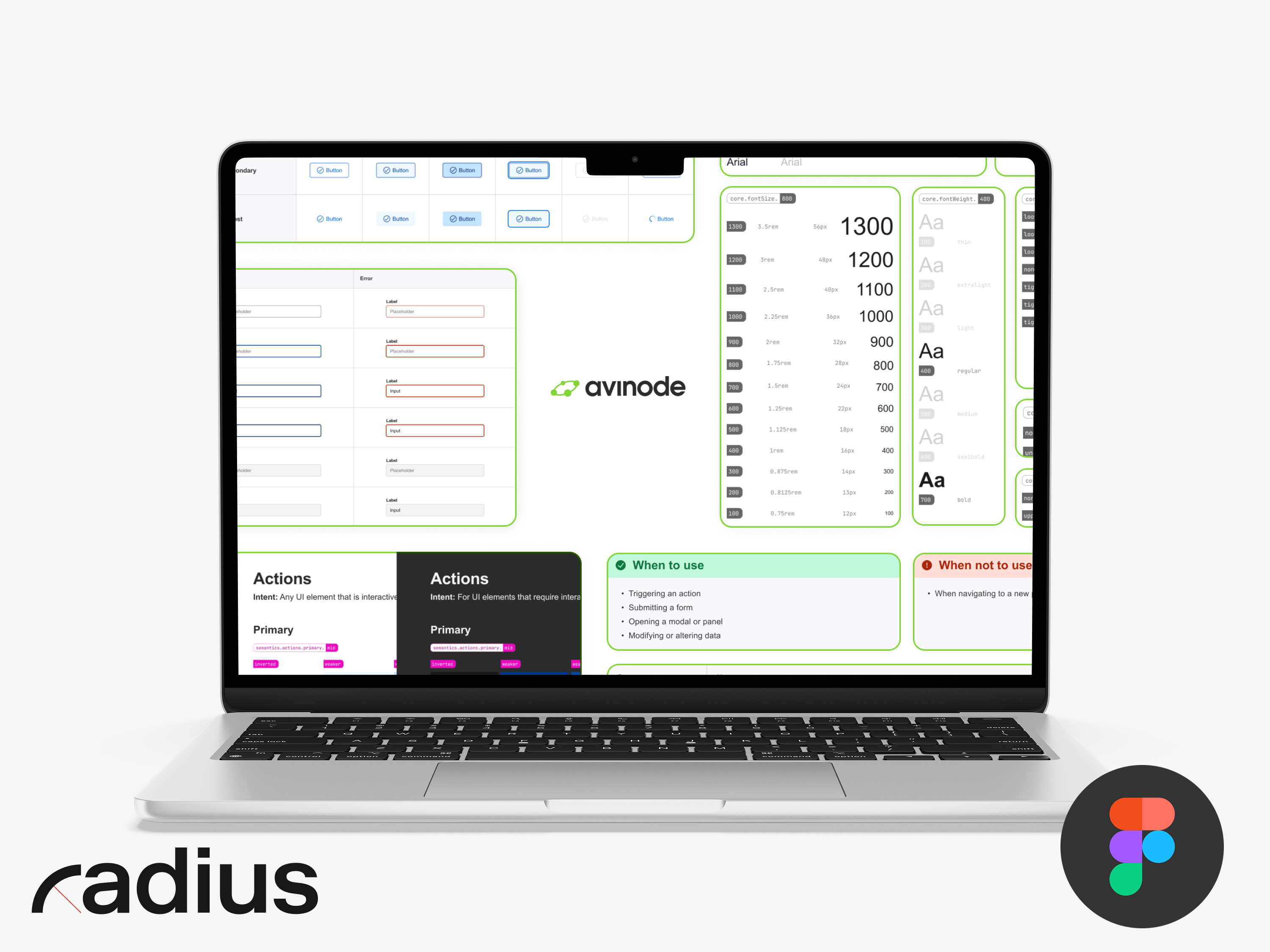

Avinode
A design system foundation in 6 weeks
How we built a scalable design system foundation for Avinode in 6 weeks, unifying global teams and accelerating development across their aviation platform.
Case Study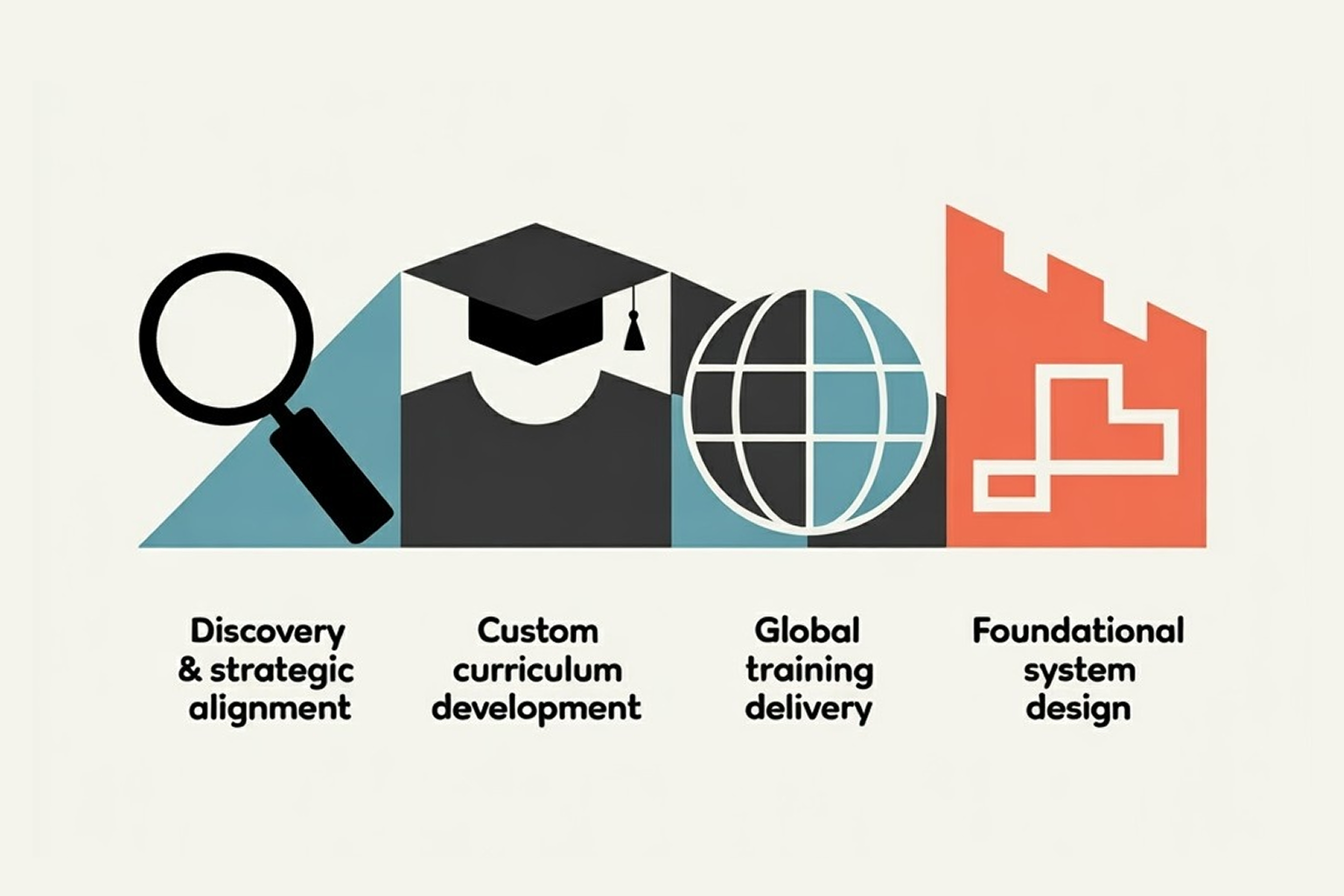
The North Face
The North Face: Global Figma Training & Design Ops Transformation in 6 Weeks
How we helped The North Face's global design teams streamline operations, standardize workflows, and accelerate campaign delivery through strategic Figma adoption.
Case Study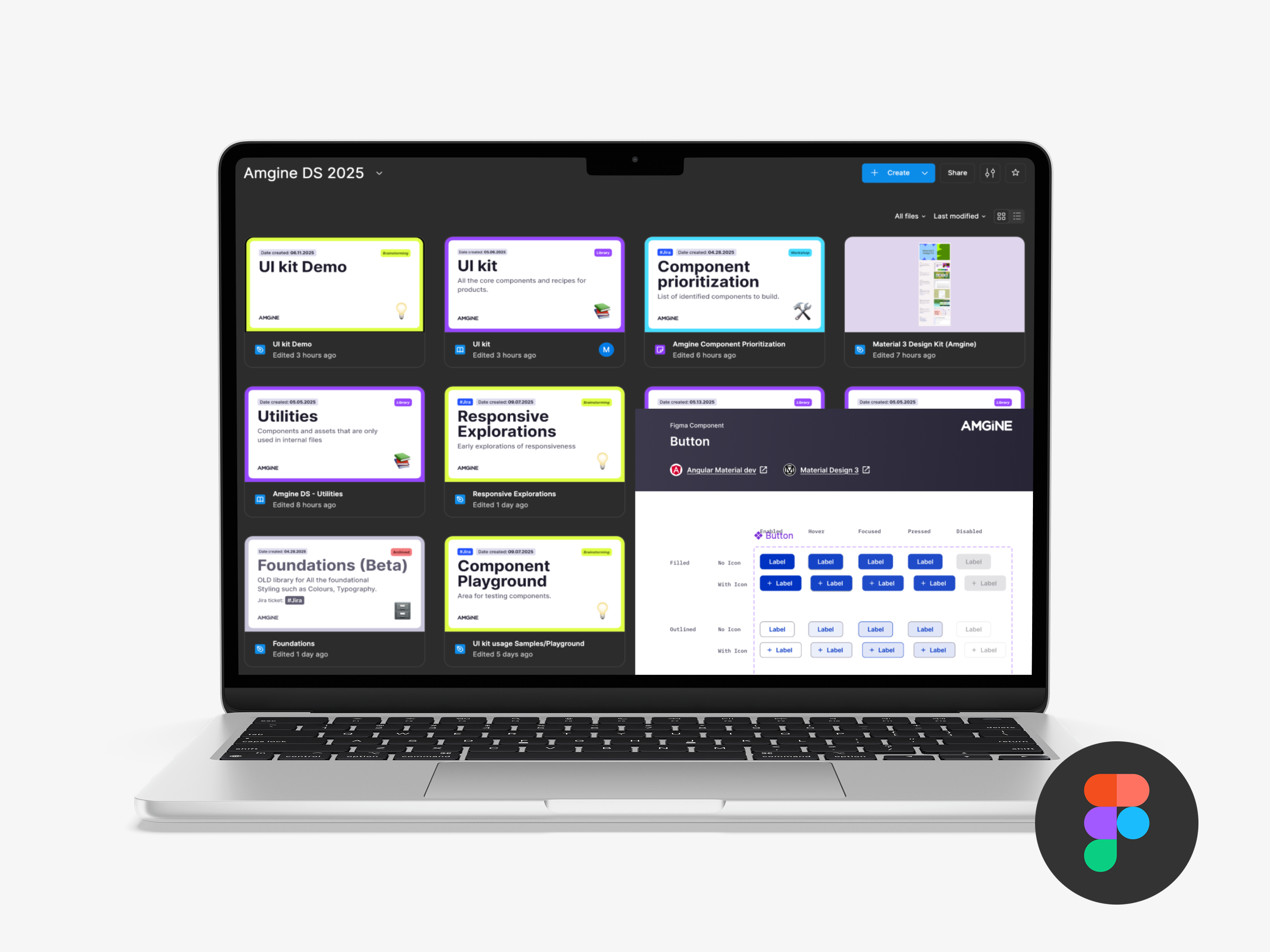

Amgine
Figma UI Kit Development Case Study: How Amgine Cut Time-to-Design by 50%
Rangle helped Amgine cut design time in half and achieve 80% UI coverage with a flexible, scalable UI Kit, laying the groundwork for a future design system.
Case Study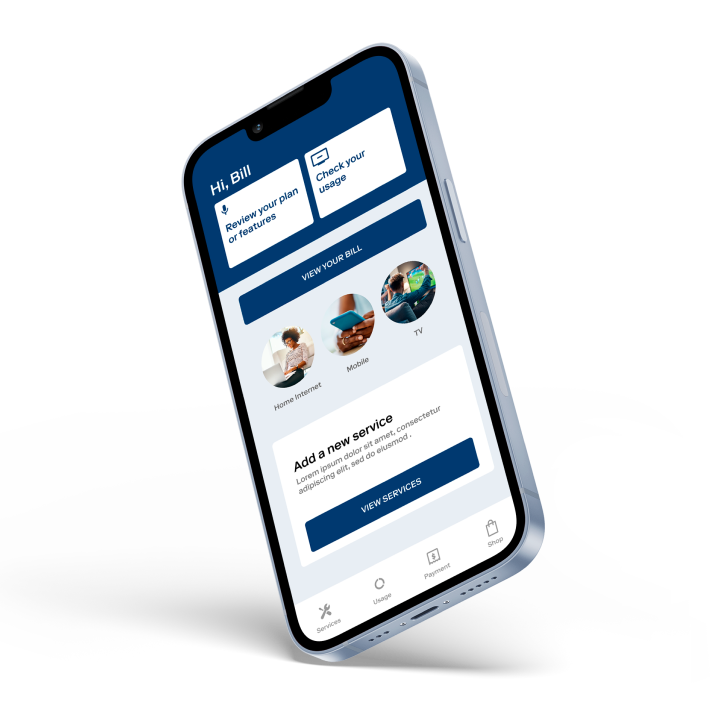
From mockups to a multi-brand design system in 13 weeks
We created a multi-brand design system that the client used to create an award-winning mobile app.
Case Study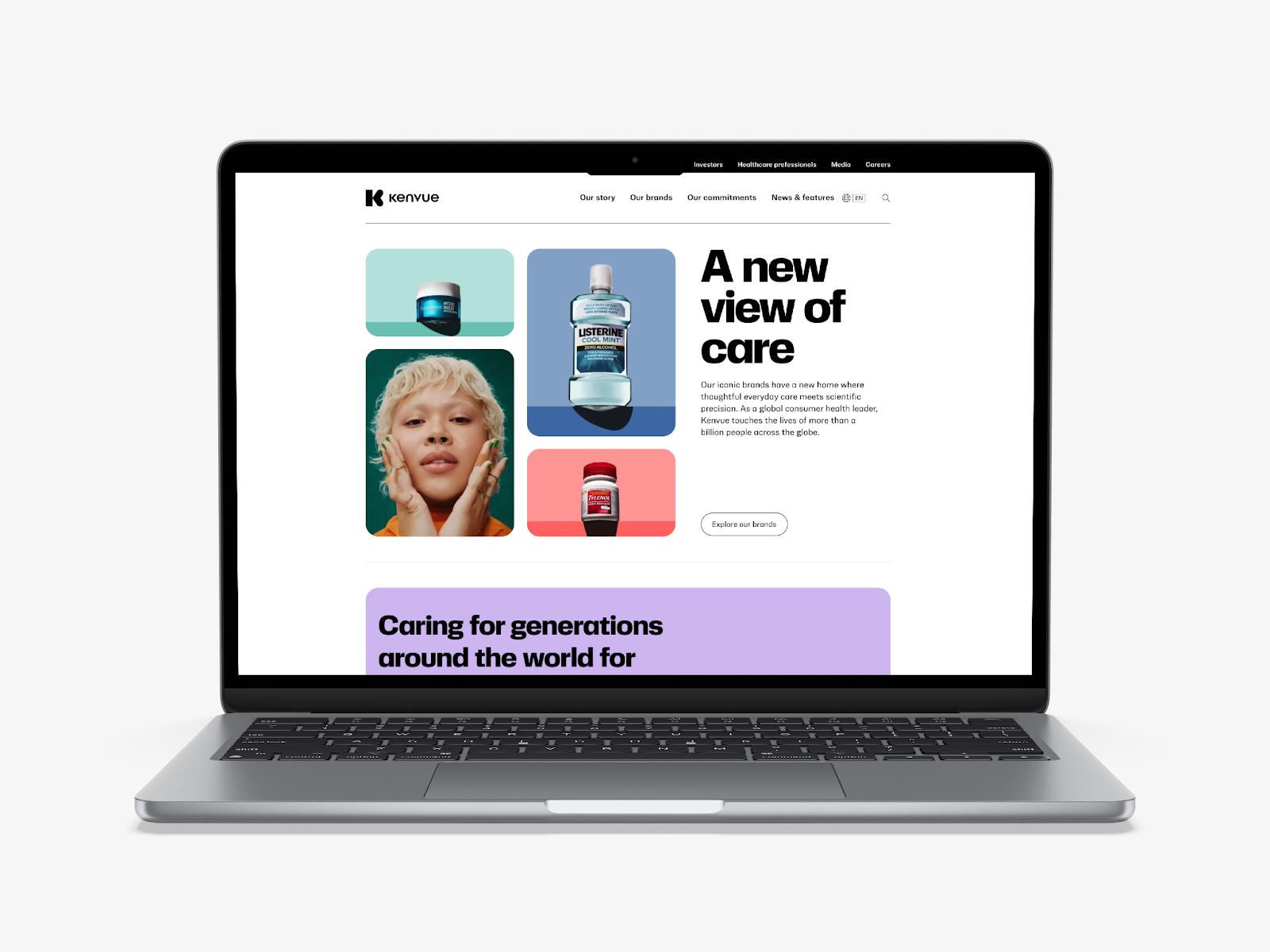
Kenvue
Building a new view of care in 3 months
We helped Kenvue modernize its digital presence by deploying a composable DXP and design system, enabling efficient migration and brand consistency across 80+ brands.
Case StudyFrequently Asked Questions
A design system is a shared library of reusable UI components, design tokens, patterns, and guidelines that ensures visual and functional consistency across all of an organization's digital products. Enterprises need design systems because without one, product teams independently reinvent solutions, creating inconsistent user experiences, duplicated effort, and mounting technical debt. A well-built design system reduces development time for new features by 30-50%, ensures brand consistency across products and teams, and creates a shared language between product, design, and engineering. For organizations with multiple products or brands, a design system becomes the connective infrastructure that lets teams move fast without diverging.
An MVP design system with core components, tokens, and documentation typically takes 4-8 weeks to build. This includes a foundational component set (typography, color, spacing, buttons, forms, cards), design tokens for theming and multi-brand support, developer documentation, and Figma integration. Scaling to a comprehensive system covering complex patterns, accessibility compliance, and multi-platform support usually takes 3-6 months of iterative work. Rangle uses agentic development workflows to accelerate this process. AI agents handle component generation, test writing, and documentation while experienced engineers focus on architecture decisions and design token strategy.
Yes, multi-brand design systems are one of Rangle's core specialties. The approach uses design tokens as an abstraction layer: a shared component library with brand-specific token sets that control visual presentation. One Button component can render differently for each brand by swapping color, typography, and spacing tokens. We've built multi-brand systems for enterprises managing 3-10+ brands from a single component library. The architecture decisions matter. Token hierarchy, theming strategy, and component API design determine whether the system scales cleanly or becomes a maintenance burden. This is where having built dozens of these systems gives us judgment that accelerates delivery.
A typical engagement covers four areas: assessment (auditing existing components, identifying patterns, and defining the system's scope and architecture), foundation (design tokens, core component library, accessible components built to WCAG standards, Figma integration, and developer documentation), adoption (integration with existing products, migration planning, team training, and governance processes), and ongoing scaling (new component development, accessibility audits, performance optimization, and multi-brand expansion). We work as an embedded team alongside your product managers, designers, and engineers, not as an external handoff. Engagements range from focused 4-8 week builds to longer-term partnerships where we build, scale, and maintain the system as your product portfolio grows.
Design systems are becoming more important in the AI era, not less. AI coding tools like Claude Code and Cursor generate UI code faster than ever, but without a design system, they generate inconsistent UI code faster than ever. A well-structured design system with clear component APIs, documented patterns, and semantic tokens gives AI tools guardrails that produce consistent, on-brand output. At Rangle, we build design systems that are explicitly AI-ready: semantic naming conventions that AI models understand, comprehensive prop documentation, and example-driven patterns that serve as few-shot prompts. The result is that AI-assisted development actually amplifies the design system's value rather than undermining it.
From the blog
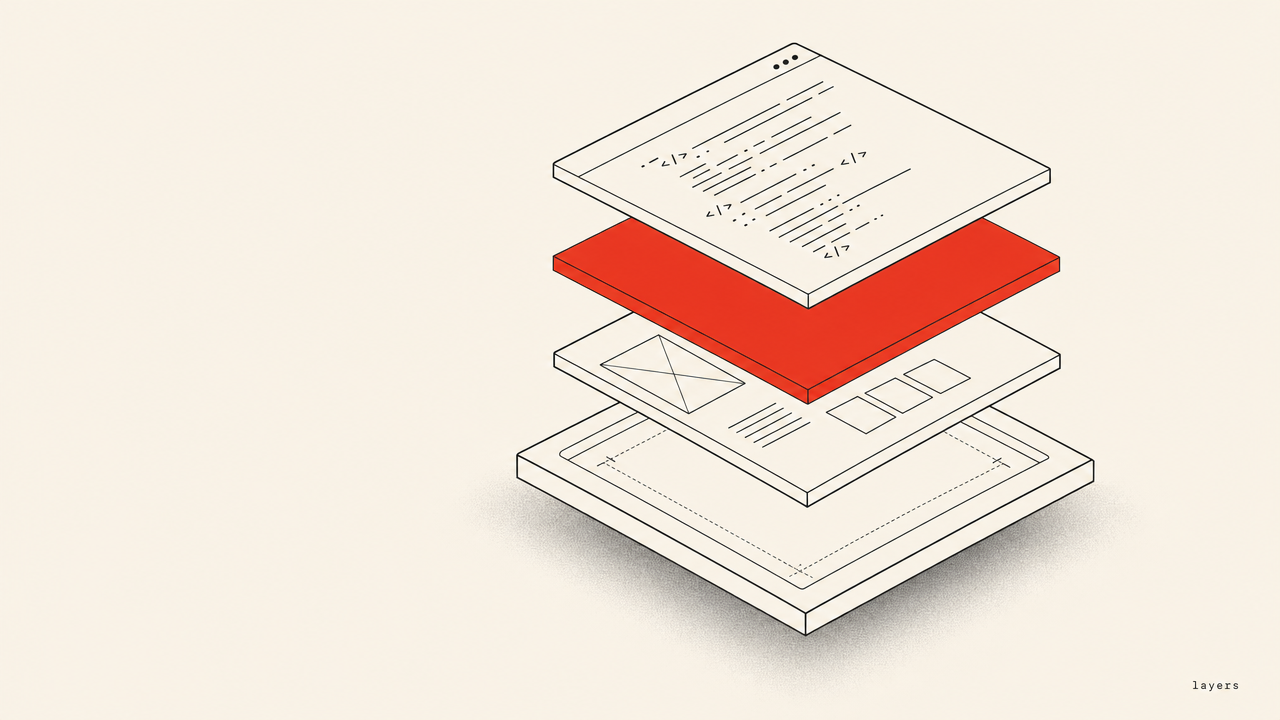



Design Tools in the AI Era: What Actually Changed
Design tools used to compete on features. Better prototyping. Smoother collaboration. Faster rendering. That race made sense when design was a human activity and the deliverable was pixels on a screen.
Ship AI Features
Making Your Design System AI-Ready: What We've Learned & FAQ
An FAQ from the Rangle design systems team on making design systems AI-ready—covering documentation strategies, semantic token naming, MCP servers, validation feedback loops, and practical guidance on bridging design systems with AI coding tools like Copilot, Cursor, and Claude.
Scale Design


How to Protect Your Design System When Using AI Tools
The difference between AI that scales your design vision and AI that erases it? Whether your design system's implicit rules are documented where AI tools can actually read them. Here's how to teach AI what makes your design unique.
Scale Design