Product Development
Our services

Agentic Discovery
In 1 to 2 weeks, we test your idea with working software instead of design files. You leave with a clear definition of the problem, a tested technical approach, and a recommendation on what to build next.
See how we can help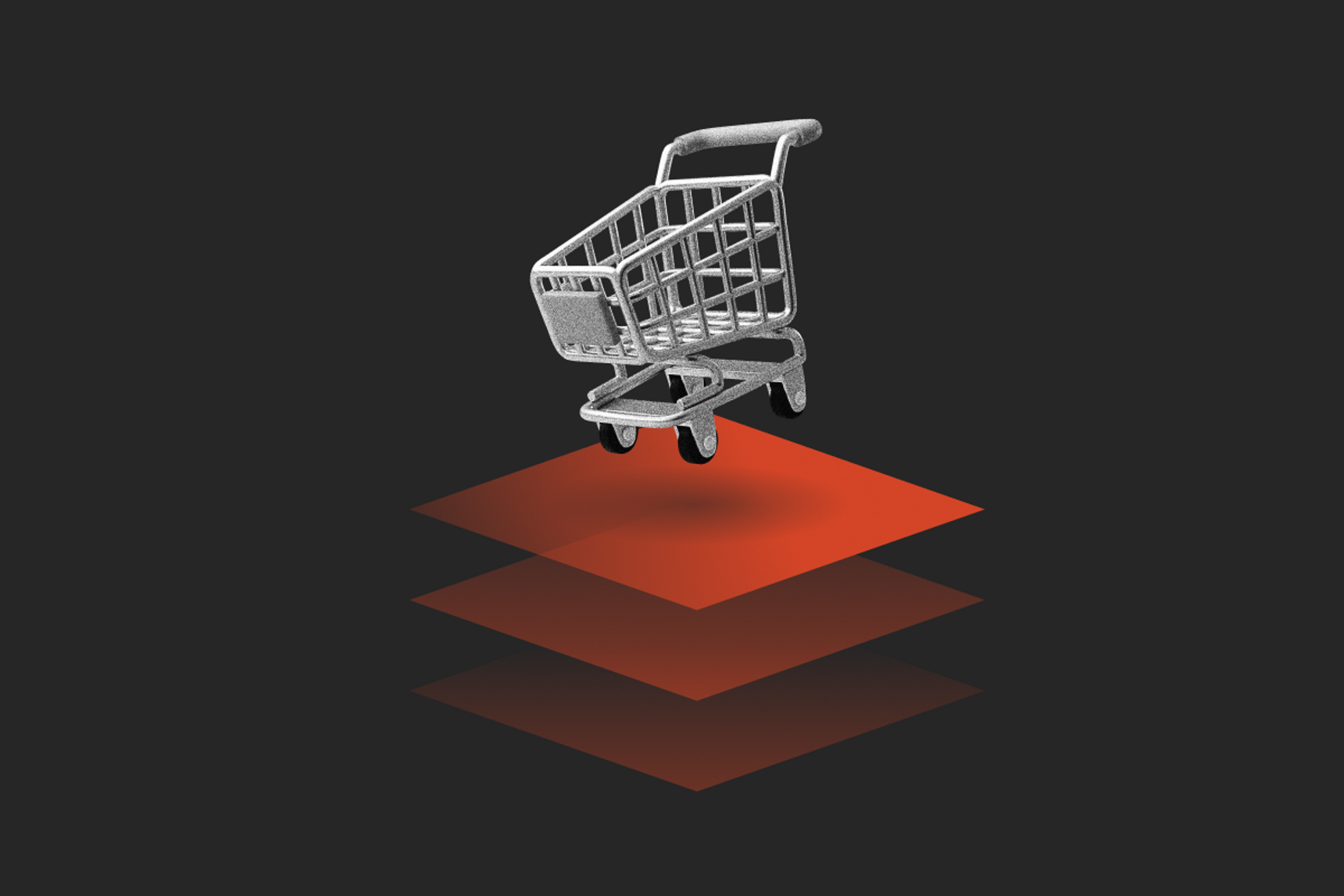
Delivery
Our teams have the experience to ensure your product is not only functional and reliable but also delightful to use. We follow agile methodologies, which allow us to deliver value incrementally and adapt to changes quickly. Our team of experienced engineers and designers will work together to turn your product vision into reality, ensuring high-quality results that meet your expectations.
See how we can help
Growth
Meet people where they are. Our team optimizes your product for key user behaviours, improves onboarding, and creates new features to address user needs. Using data-driven decision making, we measure the impact of optimizations and experiments, define and track KPIs, and create a product that delights users and drives business results. Trust our expertise in product-led growth to move your business forward.
See how we can helpDiscover, Ideate, Validate


Lean Discovery: Shifting from Outputs to Outcomes by Finding & Fixing Customer Pain
So many software development projects start with high levels of uncertainty. Some of it is explicit, you many not know exactly who the target customer is and what they want, and some of it may be implicit, you have a great idea but are uncertain about the technical risks of delivering the experience or what the state-of-the-art is capable of and, as they say, you don't know what you don't know. In these cases we echo the words of "Ike" Eisenhower:
Align Product Strategy

Start with the problem: Taking your product idea from ambiguity to clarity
We've all had ideas for a new game-changing product. Maybe it was a “shower thought”. Maybe you had an “aha” moment while struggling for the 15th time to complete a routine task. Or recent market research completed by your team showed a promising new market to exploit. Regardless of the inspiration, you were probably very excited to build out and launch this new product right?

Avoiding the temptation to be everything to everyone: Key goals of product strategy during Product Scaling / Growth
Do you remember the last time you had a conversation about a newly popular product that seemed to have started losing its way? Maybe it was a new snack that tasted a little different as its ingredients adapted to mass production requirements, or a once-niche home improvement tool that now seemed
Align Product Strategy
An AI-enabled demo from concept to POC in just 2 weeks
See howRelated expertise

Agentic AI
Agentic Solutions
Apply AI to product problems. Agents, workflows, and smart experiences that reset customer expectations.
See how we help
Digital Roadmap
Outcome-based Digital Roadmap
Define, design, and build with purpose through an approach centered on unblocking your digital ambitions.
See how we help
Customer and Partner Portals
Customer and Partner Portals for the Agentic Era
Portals that work for your customers, your partners and the agents acting for them, on rules you set and a platform you own.
See how we helpReady to launch?
We take products from concept to market in weeks — with the engineering to scale.
Get in touchRelated case studies
TOM Design Collective
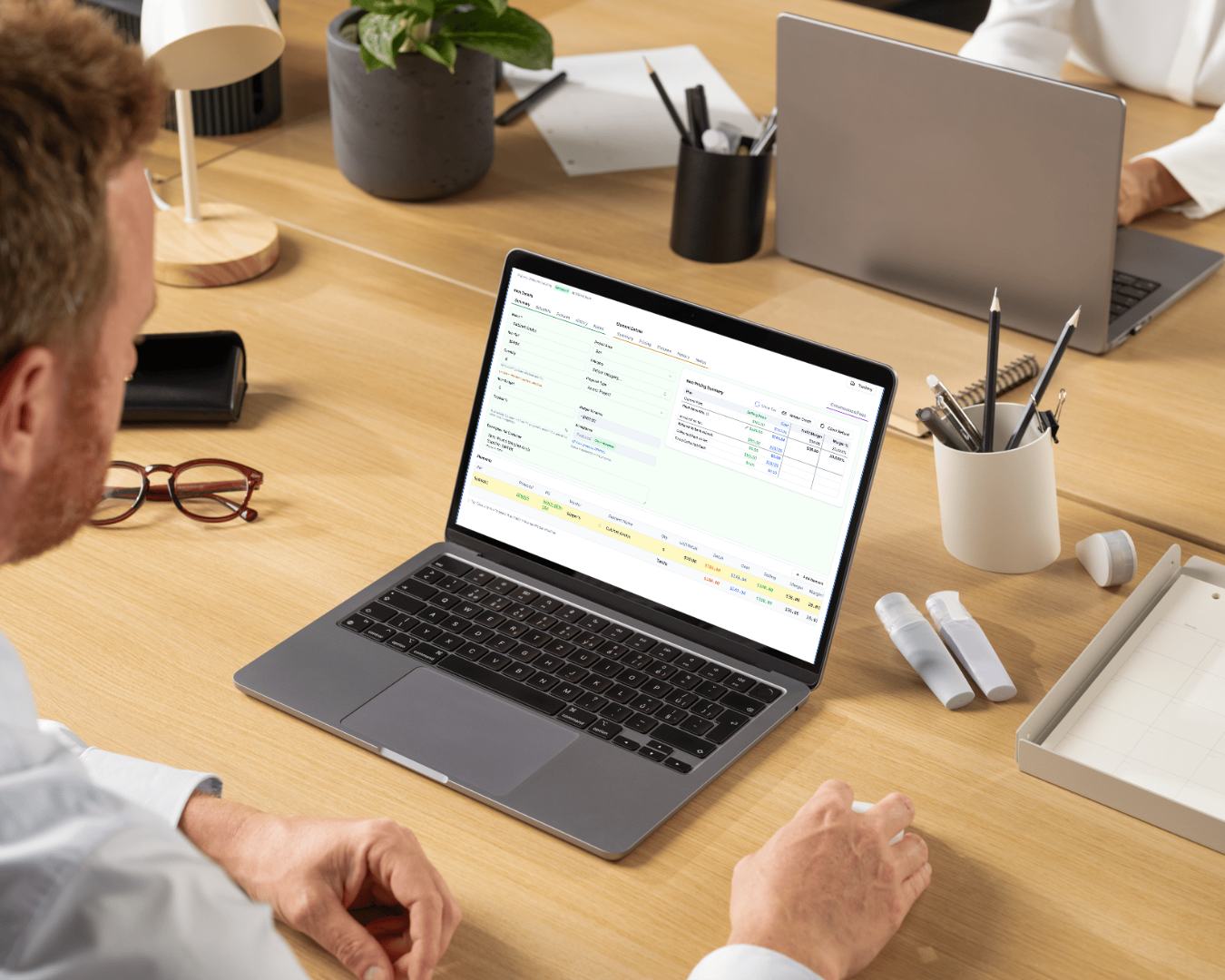
How an Interior Design Firm Replaced a Legacy Platform in 4 Months With Agentic Development
How an interior design firm replaced a locked legacy platform with a modern operations system in 4 months using agentic development practices.
Case Study

Ipsen
Rebuilding the native Dysport dosing guide to a Progressive Web Application in 5 months
We rebuilt Ipsen's native Dysport dosing guide to a Progressive Web Application with Vue.js in 5 months.
Case Study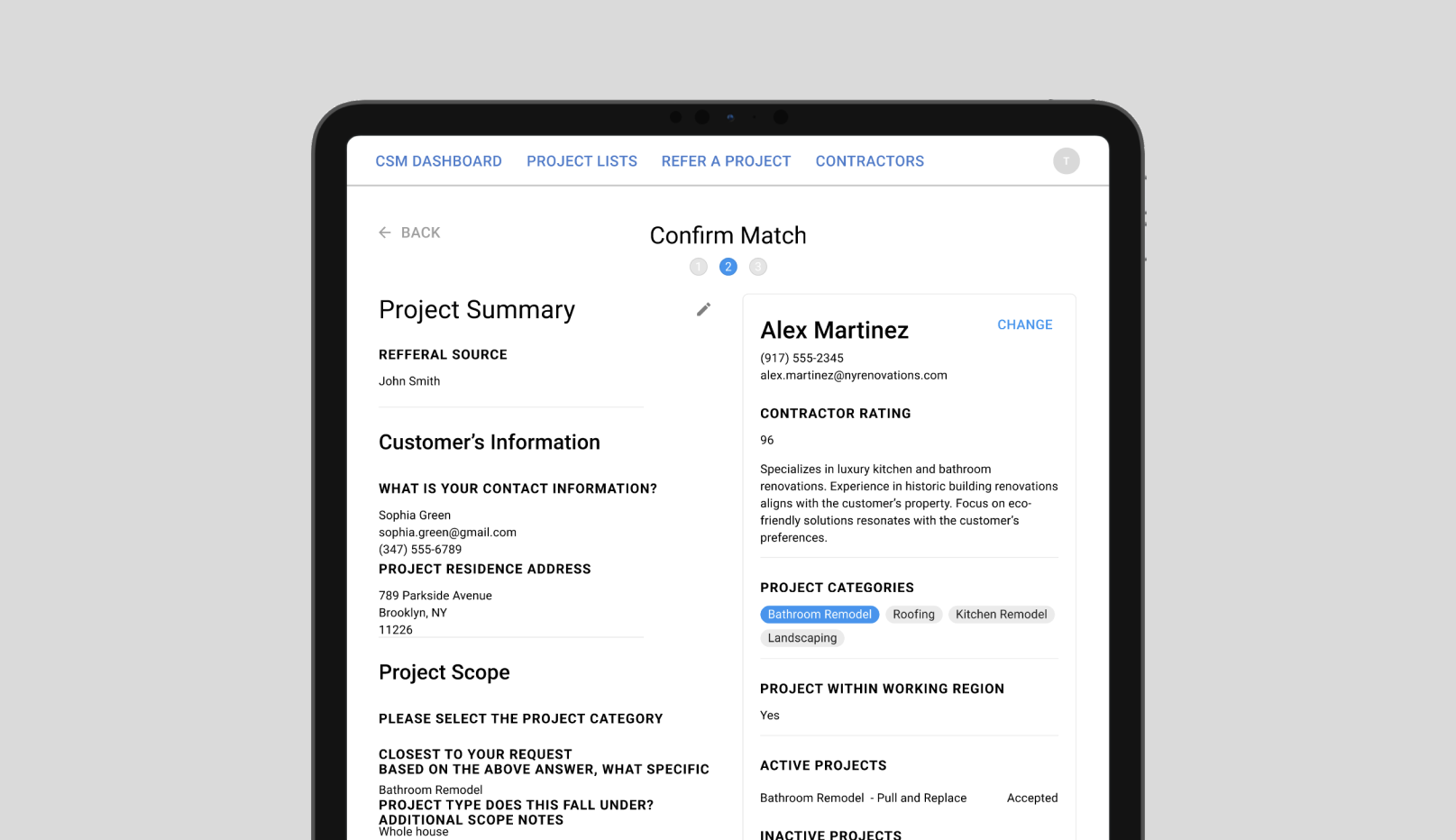
Three weeks to launch a scalable AI-powered marketplace solution with secure governance
In just three weeks, we built and deployed a secure human-in-the-loop matchmaking system for a service marketplace platform. Using generative AI and an open-source AI governance platform, the solution minimizes operational costs, accelerates lead response times, and scales without increasing headcount, with oversight, traceability, and control at its core.
Case Study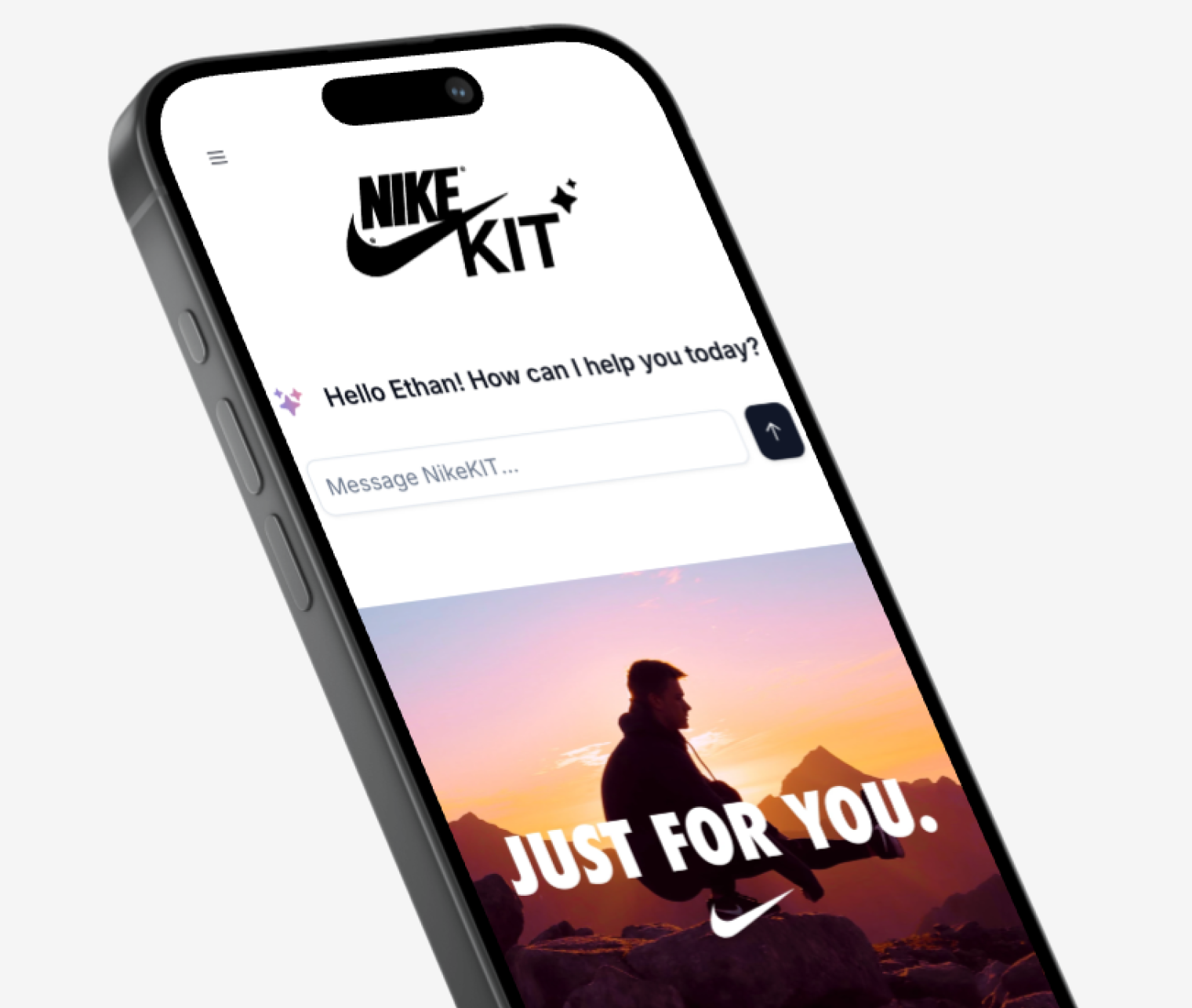

Nike
How We Built Nike's Personalized AI Shopping Assistant in Just 3 Weeks
How Rangle built Nike's personalized AI shopping assistant in 3 weeks: an 8-day proof of concept, 6,300+ SKUs auto-tagged in a day, and an end-to-end generative-AI build.
Case Study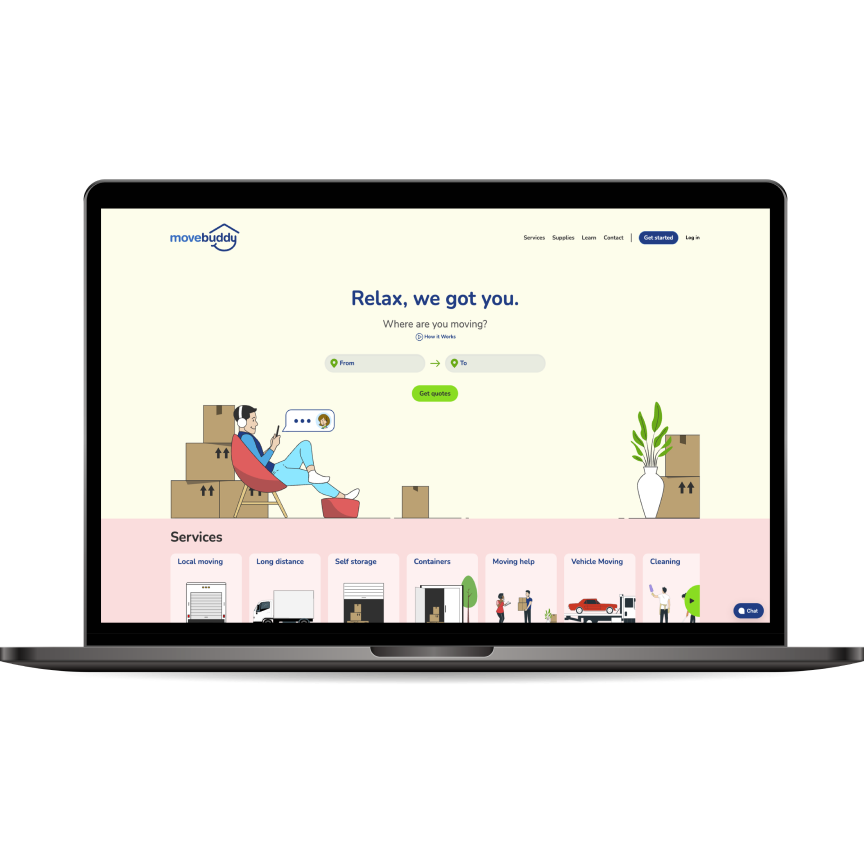

MoveBuddy
Marketplace finds path to product-market fit in months, not years
Rangle and Movebuddy were able to build a marketplace and innovate on its business model in a matter of months, not years.
Case Study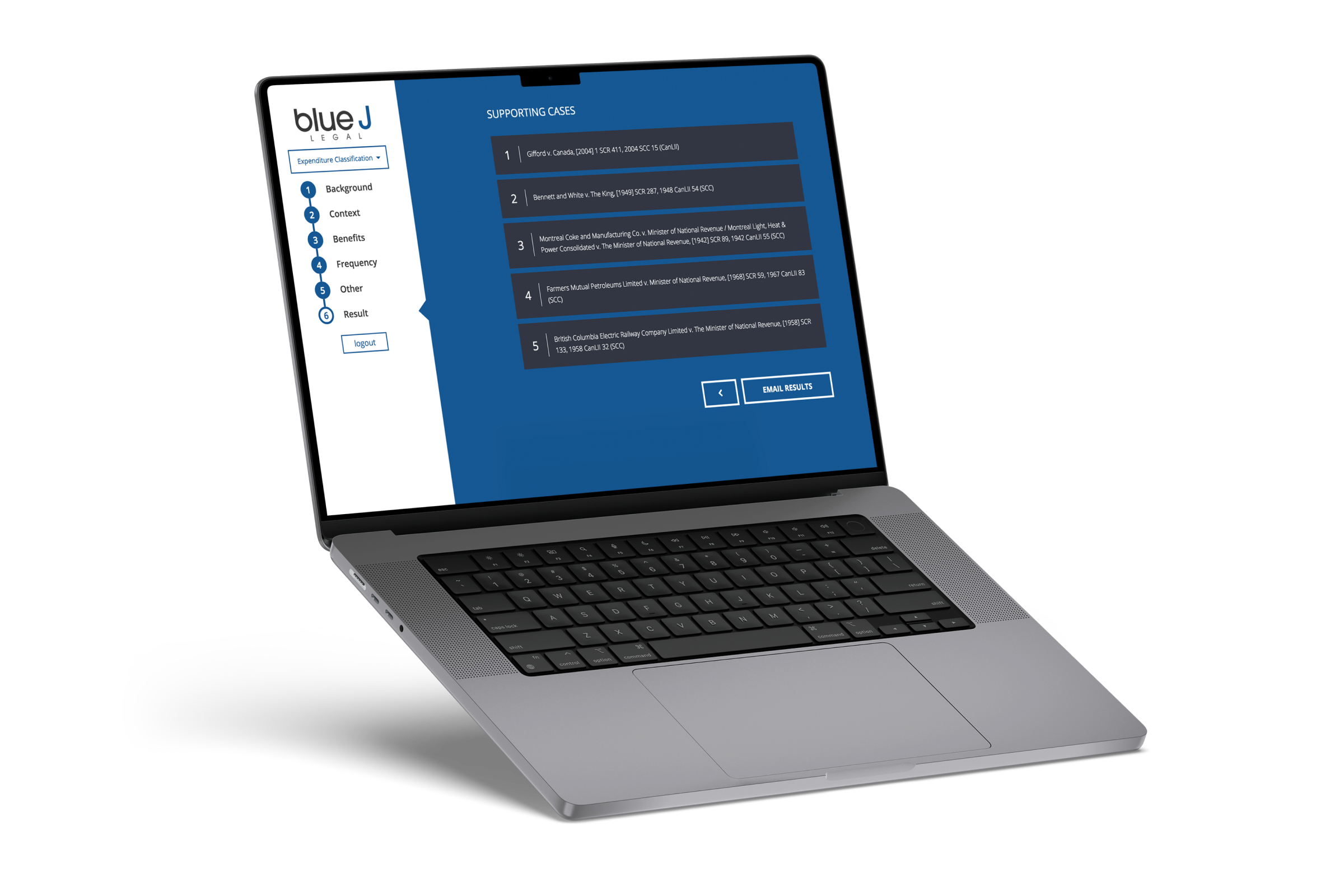

Blue J Legal
Simplifying the work of tax professionals with a mobile app
Blue J Legal successfully launched its AI-powered research tool and acquired its first paying customers during their partnership with Rangle.
Case StudyFrequently Asked Questions
Rangle follows a three-phase approach: Discovery, Delivery, and Growth. Discovery validates the product concept through UX/design audits, customer research, and technical feasibility assessment, ensuring resources target products with genuine demand. Delivery uses agile methodology with experienced engineers and designers to build functional, reliable products through incremental releases. Growth focuses on optimization: refining products for key user behaviors, improving onboarding, and developing features that address emerging user needs through data-driven decision-making. This traction-first approach lets you validate ideas in weeks rather than months, providing a stable foundation for funding and growth before committing to full-scale development.
Rangle builds functional proofs of concept in 1 to 2 weeks using agentic development workflows. These are working products, not slide decks: real code, real user interactions, real data. For AI-powered products, we can deliver functional prototypes in as little as 2-5 days. This speed matters for two reasons: it lets you validate assumptions with real users before committing significant investment, and it provides tangible evidence for stakeholders and investors. We built a functional ML model demo for Babbly in 2 weeks that helped them secure pre-seed funding. The proof of concept isn't throwaway code. It's designed to evolve into the production product, so early investment in architecture pays forward.
A traction-first approach prioritizes evidence of product-market fit over feature completeness. Instead of building a full product and hoping customers want it, you build the minimum version that tests your core hypothesis, measure real user behavior, and iterate based on data. Rangle implements this by shipping narrow but functional products early, instrumenting them with analytics (we partner with Amplitude, PostHog, and Hotjar), and using the data to guide subsequent development. The result is that every feature you build has evidence behind it. This approach reduces the risk of building products nobody wants, the most common and most expensive failure mode in product development.
Yes. Rangle's Growth phase is designed specifically for products that need optimization rather than greenfield development. We start with a data-driven assessment: analyzing user behavior through analytics tools, identifying where users drop off or fail to adopt key features, and mapping the gap between current performance and business KPIs. Then we prioritize improvements that will have the highest impact, often onboarding optimization, feature discoverability, or performance improvements rather than new features. Many stalled products don't need more features; they need the existing features to work better for users. Our product-led growth approach focuses on driving adoption and retention through product experience improvements.
No. Rangle works with organizations at every stage of technical maturity. For startups and non-technical organizations, we provide end-to-end product development (strategy, design, engineering, and deployment) without requiring you to hire engineers. For organizations with existing teams, we work as embedded partners, augmenting your capacity while transferring knowledge. We also offer ongoing maintenance contracts starting from six months for organizations that need continuous development support without building an internal engineering practice. The engagement model adapts to your situation: some clients start with Rangle handling everything, then gradually build internal capability. Others maintain a long-term partnership where Rangle handles specific product lines or capabilities.
From the blog


Why Enterprise Digital Transformations Fail: The Missing Product Definition Phase
Enterprise transformations consistently fail because companies rush from high-level strategy straight into design and development, bypassing the crucial work of defining what they're actually building and why.
Align Product Strategy
You Have an AI Team–But Can They Deliver Products That Solve Real Problems?
AI initiatives often get stuck in the Proof of Concept (POC) stage or fail to deliver tangible business value. The team might "build the solution," but it doesn't address the real problem.
Ship AI Features

This is how you ship software
Average customer experience (CX) quality in the US declined for an unprecedented third year in a row and now sits at an all-time low. It's more important than ever for digital-first companies to embrace continuous delivery, prioritize working software, and transform your digital opperations to outpace competitors.
Launch New Products