
Product Development / Agentic Discovery
Build the right thing
Agentic Discovery tests your product idea with working software in 1 to 2 weeks. We build working prototypes from the first day, several of them in parallel, and put them in front of the people who will use them. Software comes first. Figma can be an output, but it is never our prototyping tool, so what we deliver is something your team can build on, not a design that cannot be built.
At the end you receive a clear definition of the problem, what the prototypes taught us, a technical approach we have tested, and a recommendation on what to build next and what to leave out.
We work with the world's leading tech platforms:




How Agentic Discovery works
Discovery decides what to build before anyone commits to how it gets built. We test the product direction and the technical approach together, because a technical dead end costs far less to find in the first week than in the middle of delivery.

Context before code
We start by learning your domain. When it is new to the team, we build a short domain primer before anyone prompts an agent. We gather your research, documents and constraints into one shared project context, which every prototype draws on. Better context is what makes the prototypes differ in ways that matter.

Working prototypes in parallel
We build three to five working variations side by side instead of polishing one. Your stakeholders and users compare them and show us how they would use each one, which tells us more than asking whether they like a design. The variations that do not hold up are dropped, and what we learned from them is kept.

A recommendation you can act on
Each prototype ends with a written summary of what we learned. We also check that the technical approach holds up, not only that the idea resonates. You leave with the problem definition, the tested approach and a recommendation on whether and what to build, so delivery can start without re-asking the same questions.
Companies we've helped
Nike
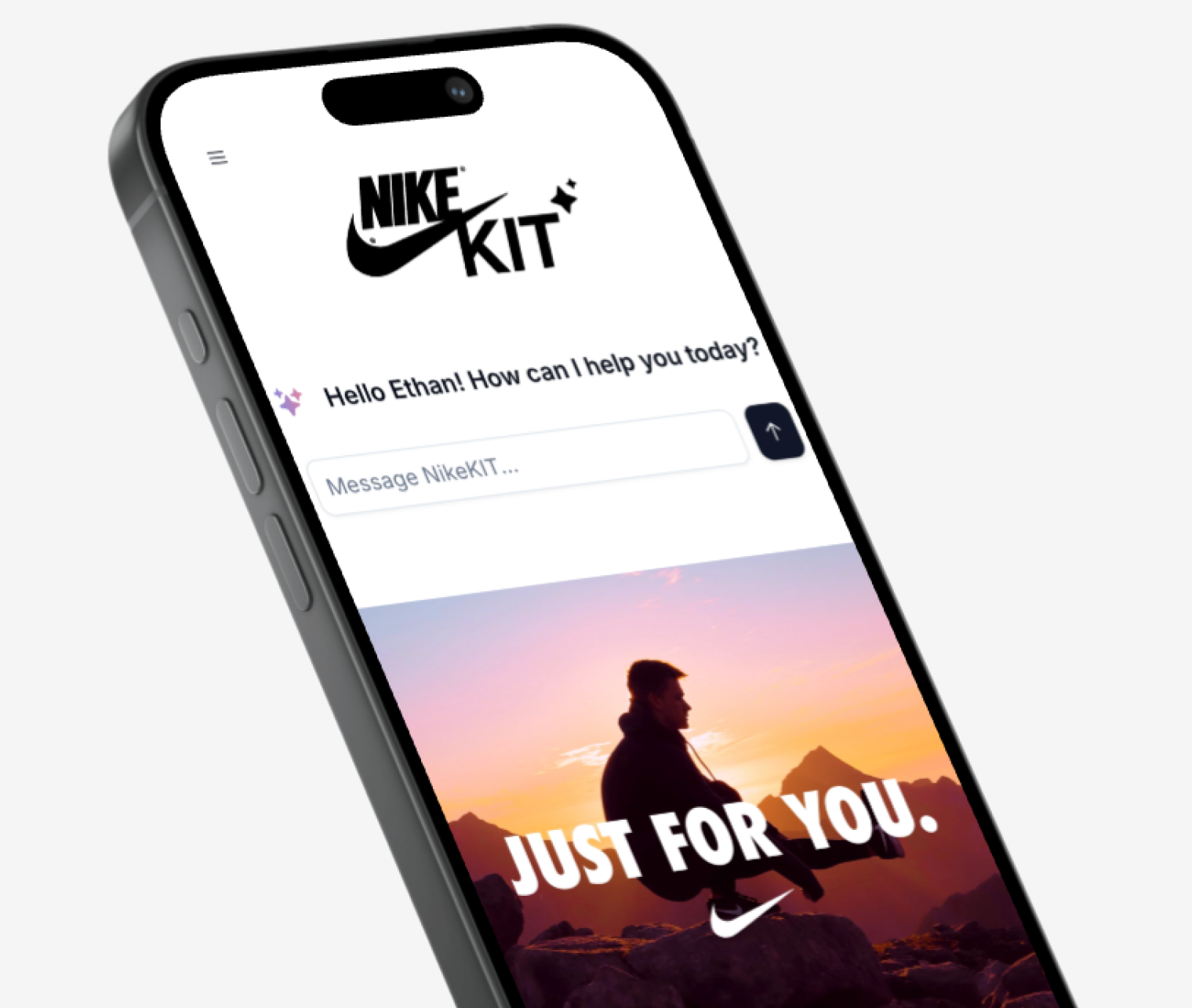
How We Built Nike's Personalized AI Shopping Assistant in Just 3 Weeks
How Rangle built Nike's personalized AI shopping assistant in 3 weeks: an 8-day proof of concept, 6,300+ SKUs auto-tagged in a day, and an end-to-end generative-AI build.
Case Study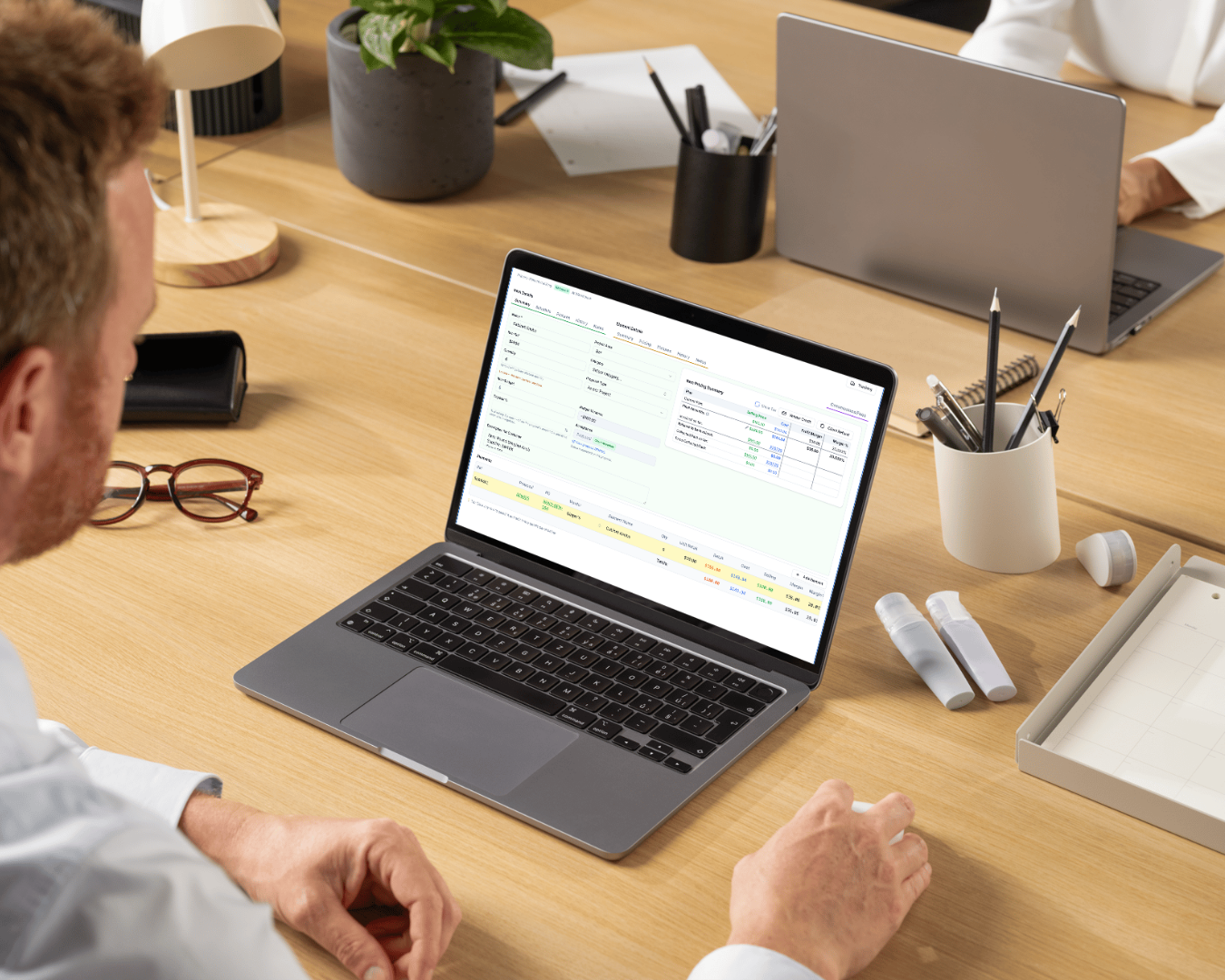
TOM Design Collective
How an Interior Design Firm Replaced a Legacy Platform in 4 Months With Agentic Development
How an interior design firm replaced a locked legacy platform with a modern operations system in 4 months using agentic development practices.
Case Study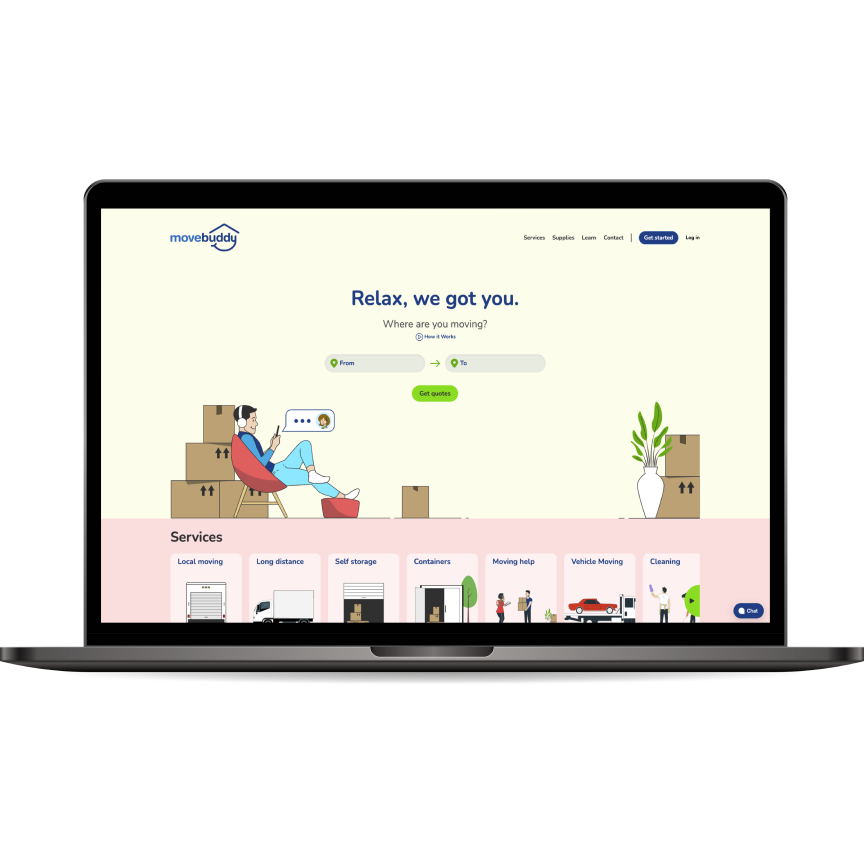
MoveBuddy
Marketplace finds path to product-market fit in months, not years
Rangle and Movebuddy were able to build a marketplace and innovate on its business model in a matter of months, not years.
Case Study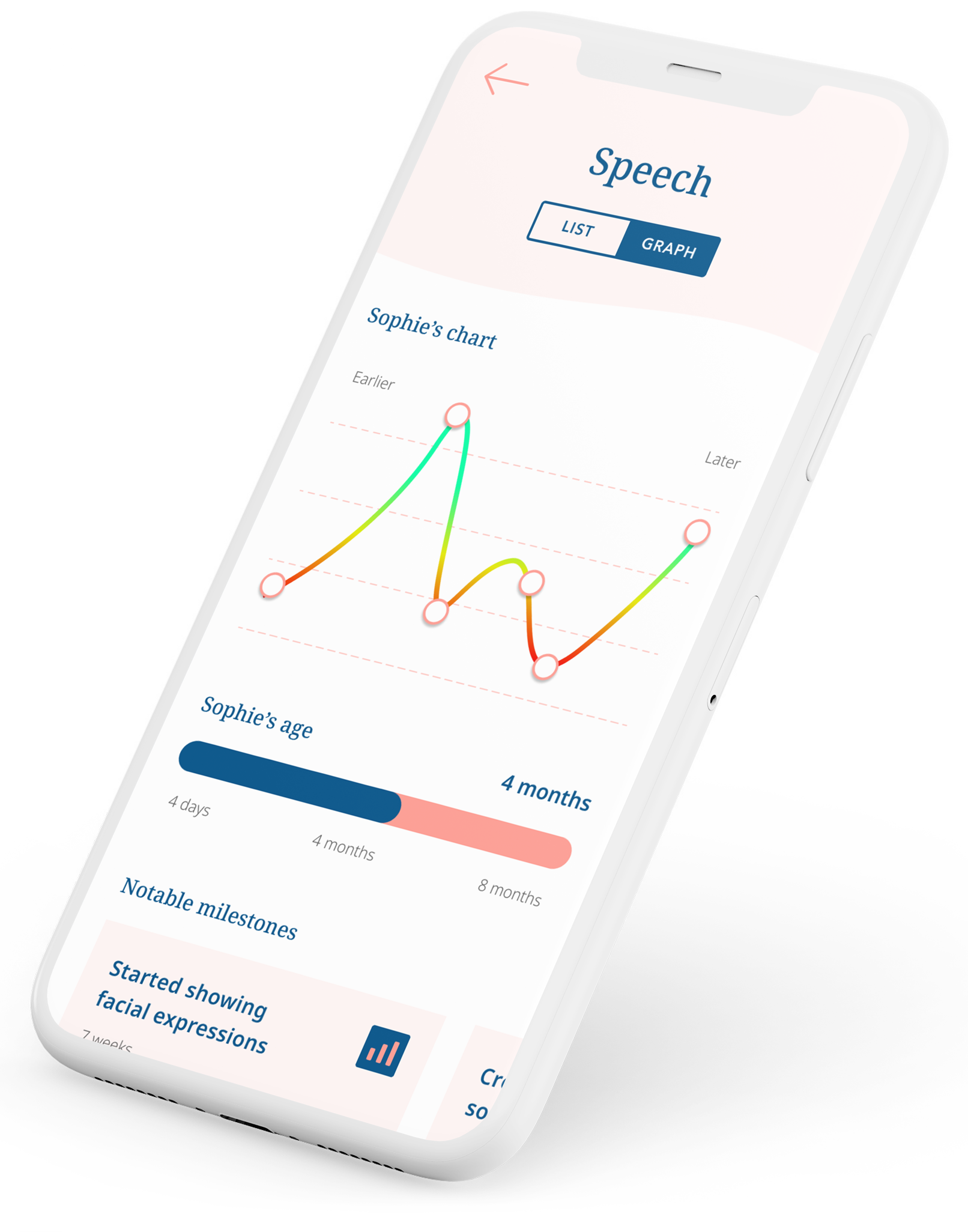
Babbly
An AI-enabled demo from concept to functional model in just 2 weeks
Babbly's founder needed a machine learning algorithm in a few weeks to close a pre-seed investment round.
Case StudyFrequently Asked Questions
One to two weeks. We start building working prototypes on the first day, so the time goes into testing the idea rather than writing documents about it.
You receive a written definition of the problem and who it affects, what the prototypes showed when your stakeholders and users tried them, a technical approach we have tested, and a recommendation on what to build next and what to leave out. If the idea does not hold up, the recommendation says so.
No. We prototype in working software from the first day. Figma can be an output when your team needs design files, but it is never where we test an idea. That way, what we hand over is something your team can build on, not a design that cannot be built.
If the recommendation is to build, delivery starts from what discovery validated: the problem definition, the tested technical approach, and what users responded to. The team does not have to re-ask the questions discovery already answered.
Featured Posts


Not an afterthought: Product strategy is critical to product delivery
At Rangle, our product managers partner with our clients to build customer experience-enhancing products, without direct ownership of the products themselves. This creates a natural tension between our drive as product managers to build the most valuable thing for our clients' customers in the
Align Product Strategy
Being the product leader: Using product strategy to stay ahead at Product Maturity
The ultimate business goal of any product organization is to see its products reach the Product Maturity phase of the product lifecycle. Reaching this coveted phase, especially in today's digital age, represents levels of determination and strategic execution that are difficult to achieve.
Align Product Strategy
Start with the problem: Taking your product idea from ambiguity to clarity
We've all had ideas for a new game-changing product. Maybe it was a “shower thought”. Maybe you had an “aha” moment while struggling for the 15th time to complete a routine task. Or recent market research completed by your team showed a promising new market to exploit. Regardless of the inspiration, you were probably very excited to build out and launch this new product right?
Build the right thing, the right way
Take a product from idea to traction
Discovery, delivery, and growth. Our cross-functional pods bring the design, engineering, and product strategy to validate fast, ship quality, and find your product-market fit.
Talk to a product leadFrom the blog


Why Enterprise Digital Transformations Fail: The Missing Product Definition Phase
Enterprise transformations consistently fail because companies rush from high-level strategy straight into design and development, bypassing the crucial work of defining what they're actually building and why.
Align Product Strategy
You Have an AI Team–But Can They Deliver Products That Solve Real Problems?
AI initiatives often get stuck in the Proof of Concept (POC) stage or fail to deliver tangible business value. The team might "build the solution," but it doesn't address the real problem.
Ship AI Features

This is how you ship software
Average customer experience (CX) quality in the US declined for an unprecedented third year in a row and now sits at an all-time low. It's more important than ever for digital-first companies to embrace continuous delivery, prioritize working software, and transform your digital opperations to outpace competitors.
Launch New Products