Operating Model / Transform to a Product & Platform model
Develop the capabilities to move forward in a digital-first era
The product and platform operating model excels in fostering innovation and scalability. By focusing on product development and platform efficiency, it enables quicker responses to market changes, enhancing customer experience and driving growth. This model integrates cross-functional teams, promoting collaboration and agility.
How we can help
We'll work with you to create cross-functional teams that focus on product development and platform efficiency, enabling you to respond quickly to market changes and enhance the customer experience. Our approach emphasizes collaboration and agility, helping you break down silos and improve communication across teams.
Design your product and platform operating model
Our team can help you design a product and platform operating model that unites business, technology, and operations in cross-functional pods dedicated to delivering customer value and driving results. We'll work with you to establish product pods for improving user experiences and platform pods for building reusable services. This collaborative, agile model enables quick responses to market changes, enhances customer experience, and drives growth.
Set up cadences and performance management cycles (governance)
Our team can help you establish governance processes that promote transparency, accountability, and continuous improvement in your product and platform operating model. We'll work with you to set up regular check-ins, performance metrics, and feedback loops to track progress and identify areas for improvement. Our approach includes launching initiatives with clear goals and timelines, conducting weekly sprints, and quarterly reviews to assess performance and adjust priorities. This ensures ongoing innovation and growth while maintaining control and visibility over your operations.

Evaluate software delivery performance
Enabling high-quality information flow is crucial for a successful product and platform operating model. Automated data capture allows teams to focus on building great products and services while ensuring metrics are accurate, timely, and consistent. Shared understanding of metrics aligns teams around common goals and fosters a culture of continuous improvement. This leads to better business outcomes, improved customer experiences, and a more agile and responsive organization.
Companies we've helped
How we helped a leading office supply retailer build their digital roadmap in 8 weeks
We guided a leading office supply retailer to build their digital roadmap in 8 weeks.
Case Study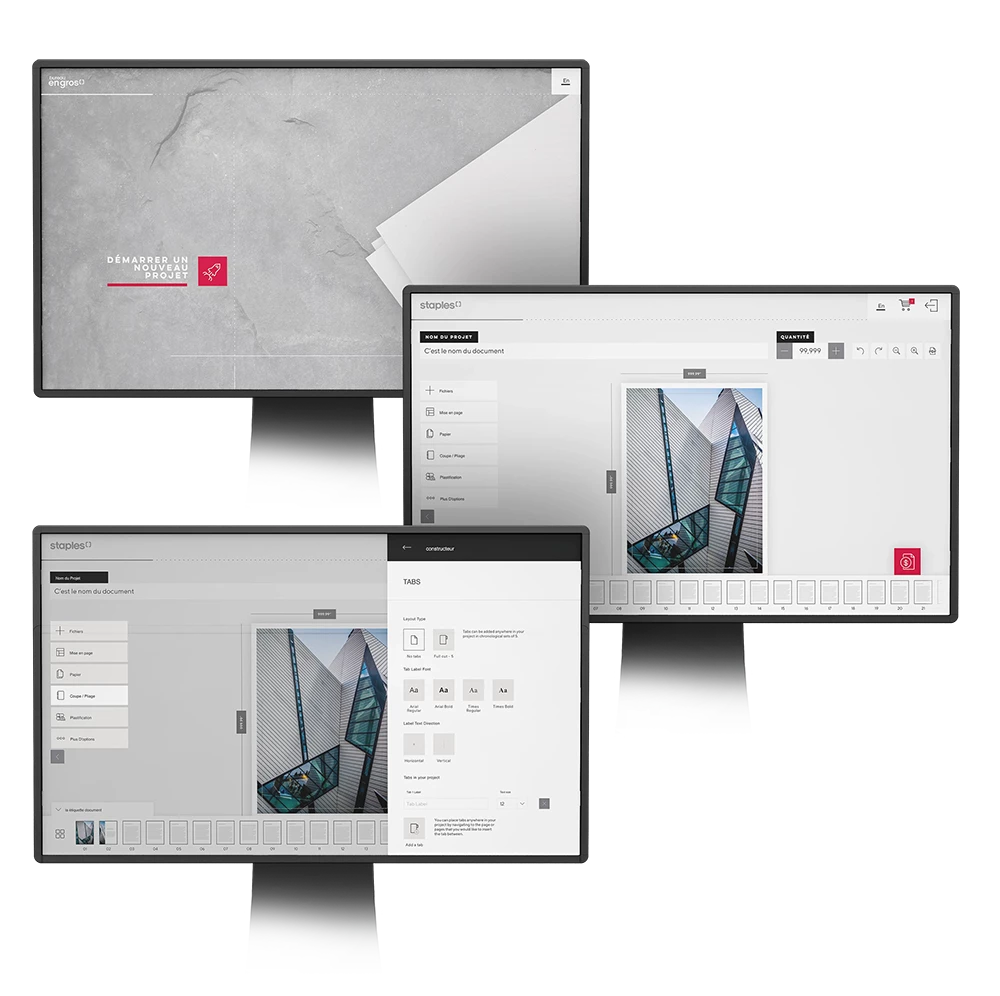
Staples
Rangle and Staples make it easier to work, learn, and grow in their stores
Reducing new product launch time from six months to two months.
Case Study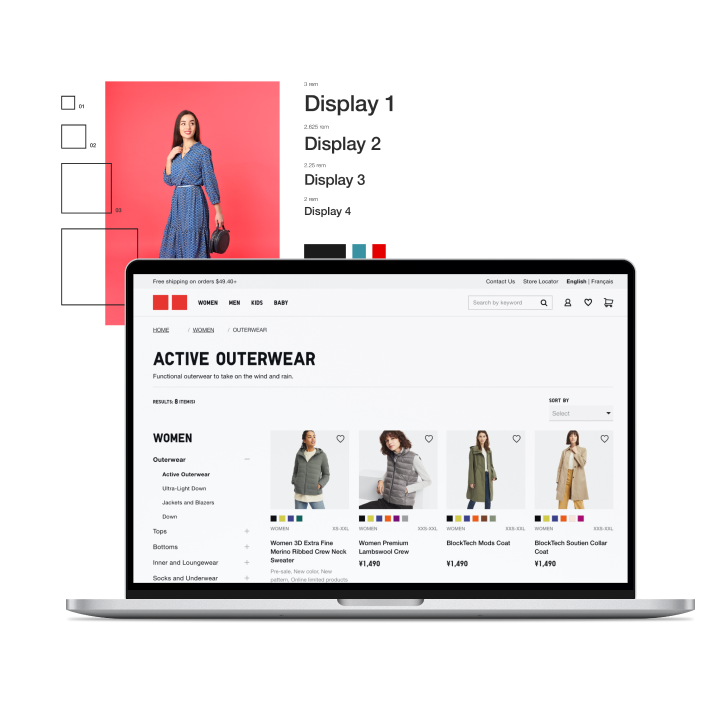
Fast Retailing
Transforming one of the world's largest retail companies into a digital-first organization
How a design system helped transform one of the world's largest retail companies into a digital-first organization.
Case StudyFeatured Posts


What is a digital transformation?
Digital transformation may be the buzzword du jour, but it's more than just hype. Done well, it has the power to reduce your operating costs, improve time-to-market and open new product lines and revenue streams for your business.
Modernize Your Stack

Strategy and Governance: What is a Digital-First Operating Model?
In this blog post, I look to introduce a Digital-First Operating Model framework for Chief Information Officers (CIOs) and other executives leading organizational change. If you haven't already done so, make sure to listen to the podcast (or watch the video) associated with this post below and join the conversation on Twitter by using #AskRangle.
Modernize Your Stack

How Lean DigitalOps can save your failing digital transformation
Many organizations have been pressured to start or accelerate their digital transformation in the wake of the pandemic. However, in spite of the leaps in innovation we've seen over the past few years, many organizations are now confronted with the operational consequences of making massive pivots or scaling faster than they can effectively manage. Symptoms of this range from the misallocation and prioritization of resources, slower speed to market, low team engagement and morale, and a fundamental disconnect between the organization and their customers.
Modernize Your Stack



Working with Rangle helped us avoid a lot of the early mistakes we could have made and put us on a fast track towards launching our product.
— Maryam Nabavi, CEO and Founder of Babbly
Real transformation, not theatre
Get your transformation back on track
Whether you're rescuing a stalled SAFe rollout, recovering from a digital factory that didn't deliver, or moving to a product and platform model, we help you build the cross-functional capabilities that actually compound.
Book a working sessionFrom the blog

Faster Coding Doesn't Mean Faster Delivery
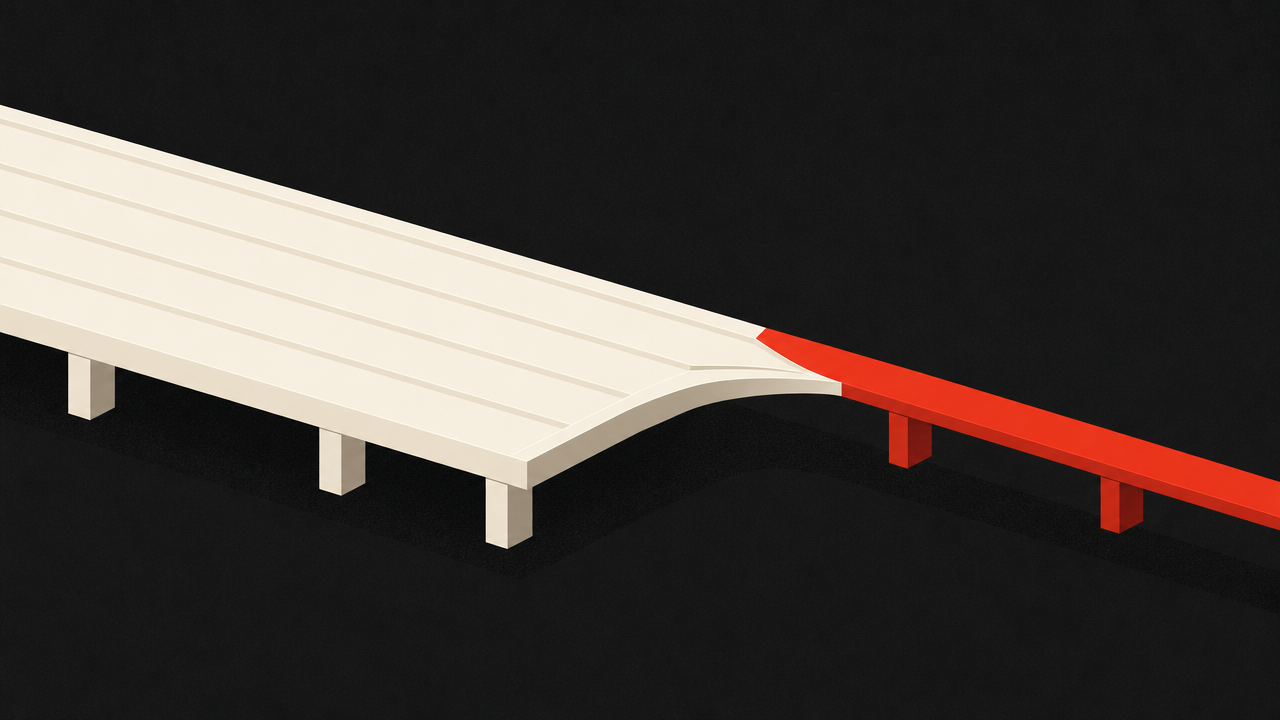
AI has made implementation dramatically faster, but software delivery hasn't sped up to match. The bottleneck didn't disappear, it moved from writing code to everything surrounding it: clarity, alignment, architecture, and validation.
Align Product Strategy


Why Enterprise Digital Transformations Fail: The Missing Product Definition Phase
Enterprise transformations consistently fail because companies rush from high-level strategy straight into design and development, bypassing the crucial work of defining what they're actually building and why.
Align Product Strategy

Decide and Commit: A Rubric for Successful Digital Transformation in Under 12 Months
Many companies dream of unifying their disparate products into a single customer-centric platform to achieve happier customers, competitive differentiation, and a larger market share. Yet Forrester reports that less than 3% of companies are customer-obsessed. Rangle, an elite frontend platform and agile practices consultancy, has been helping customers achieve this for 10 years. In this blog post, we reflect on our experiences and share our recommendations for a successful digital transformation in under 12 months.
Modernize Your Stack