Product & Platform Operating Model
Our services

Transform to a Product & Platform model
The product and platform operating model excels in fostering innovation and scalability. By focusing on product development and platform efficiency, it enables quicker responses to market changes, enhancing customer experience and driving growth. This model integrates cross-functional teams, promoting collaboration and agility.
See how we can help
Rescuing failed Scaled Agile Transformations
Despite Agile's long history, many companies still adhere to infrequent release cycles. The prevalence of "fake Agile" lets them believe they're adopting Agile without meaningful process improvements. Notably, SAFe and slow-releasing scrum teams epitomize this trend, missing out on Agile's full benefits.
See how we can help
Rescuing failed Digital Factory Transformations
Digital factories fail because there's a disconnect between technology and business goals, inadequate skills, and poor execution. Lacking clear objectives and a viable integration plan, they struggle to deliver value to the core business, highlighting the need for enterprise platforms over innovation theatre.
See how you can helpFoundations


The ABCs of DXPs
What is a digital experience platform (DXP)? This overview explores what it is, the benefits, and a glossary of common DXP terms to keep in mind.
Escape CMS & Commerce Lock-In

Beyond headless: Future-proofing digital platforms
Are you moving to a headless CMS? It's rarely done in isolation, and in Rangle's experience, it impacts the digital ecosystem of an organization – with the potential to unlock new digital experiences when done correctly.
Escape CMS & Commerce Lock-In
Beyond the Design System: Merging data and composable experiences
Watch nowMore resources
Headless E-Commerce: The advantages of using a Headless CMS with your e-commerce site
Scott Fuller explores the many benefits of storing your content in a Headless CMS – especially if you're running an e-commerce business.
Watch now
Related expertise

Digital Roadmap
Outcome-based Digital Roadmap
Define, design, and build with purpose through an approach centered on unblocking your digital ambitions.
See how we help
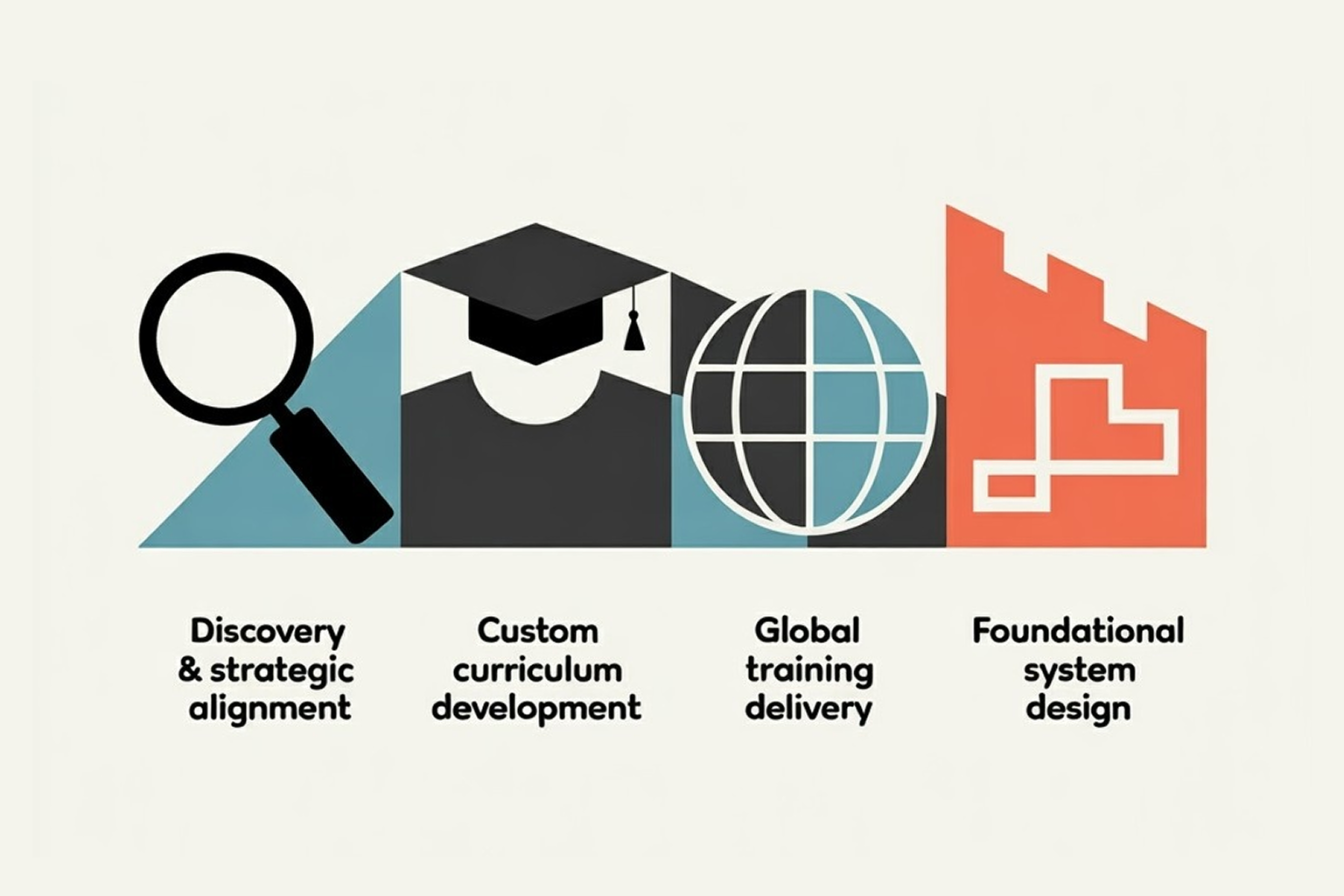
Talent Development
Talent Development
Build a stronger talent bench with immersive, hands-on learning models.
See how we helpNeed a digital roadmap?
We help enterprises find the fastest path from strategy to production.
Get in touchRelated case studies
The North Face
The North Face: Global Figma Training & Design Ops Transformation in 6 Weeks
How we helped The North Face's global design teams streamline operations, standardize workflows, and accelerate campaign delivery through strategic Figma adoption.
Case Study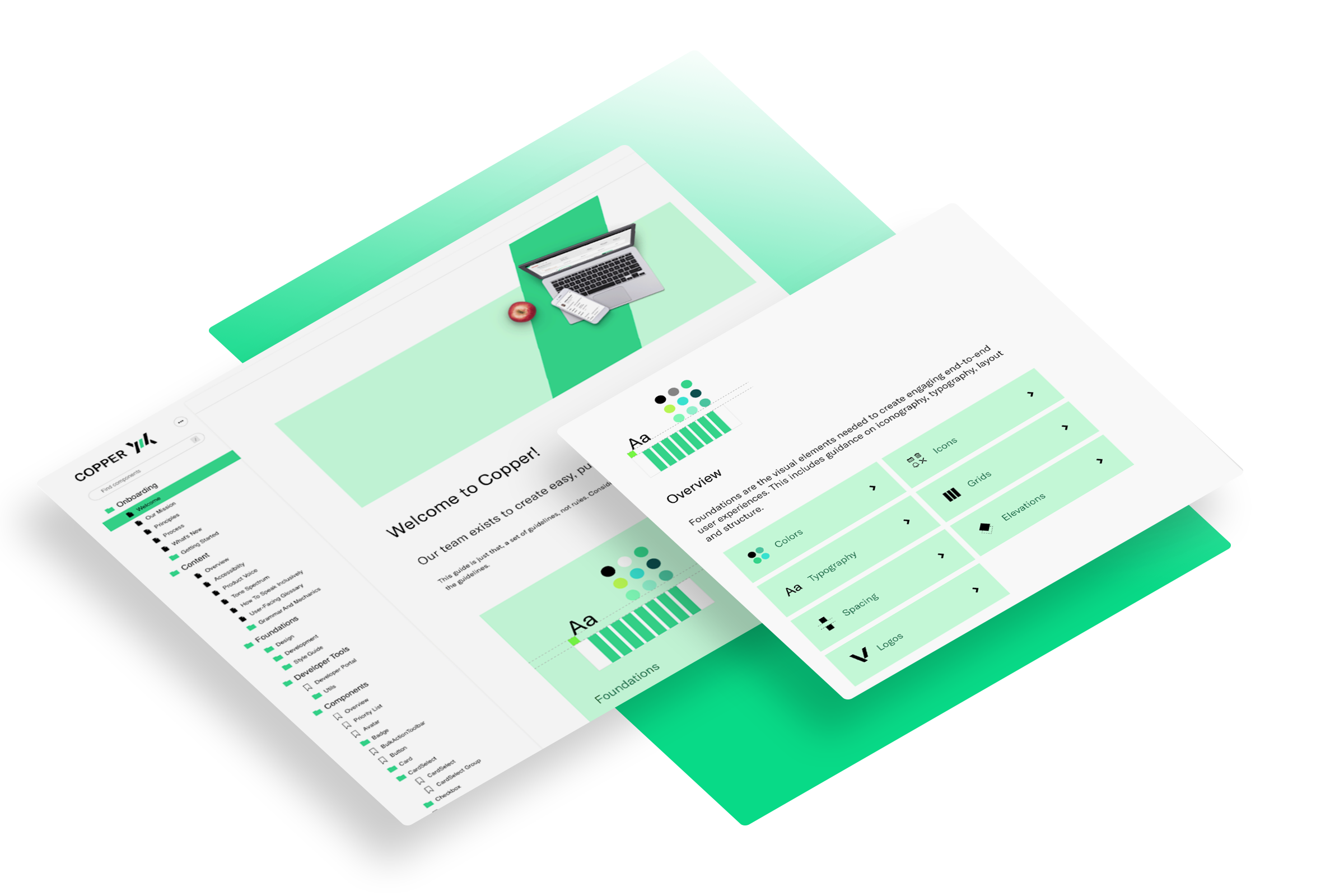
Varis
16 weeks to launch a design system for Varis, an Office Depot startup
In 16 weeks, we delivered a design system for Office Depot startup, Varis, with ready-to-use components and governance in place.
Case Study
How we helped a leading office supply retailer build their digital roadmap in 8 weeks
We guided a leading office supply retailer to build their digital roadmap in 8 weeks.
Case StudyFrequently Asked Questions
A product and platform operating model organizes teams around products and shared platforms rather than functional departments or project-based assignments. Product teams own outcomes for specific customer-facing products, while platform teams build shared capabilities that product teams consume. This structure enables rapid market response because teams have the autonomy and cross-functional skills to deliver end-to-end without waiting on other departments. Rangle helps enterprises design and implement this model, breaking down organizational silos, establishing governance processes, and building the product and platform capabilities that make the model work. The shift isn't just structural; it requires changes to how work is funded, how success is measured, and how teams collaborate.
Most Scaled Agile transformations fail because they implement agile ceremonies without building the underlying product and platform capabilities that agile requires. Organizations end up with stand-ups instead of agile collaboration, sprint planning without product ownership, and retrospectives without the authority to change anything. The result is "agile theater": the rituals of agility without the outcomes. Rangle rescues these stalled transformations by addressing root causes: establishing genuine cross-functional teams with end-to-end ownership, building the technical platform capabilities that enable rapid iteration, and creating governance processes that provide transparency and accountability. The fix is structural, not procedural. You can't ceremony your way to agility.
Operating model transformations typically unfold in phases over 6-18 months, depending on organizational size and complexity. The first phase (6-8 weeks) focuses on assessment and design: understanding current structures, identifying bottlenecks, and designing the target operating model. The second phase (3-6 months) implements the model with pilot teams, usually 2-3 product teams and one platform team, to validate the approach and build internal champions. The third phase scales to additional teams, refining governance and processes based on pilot learnings. Rangle stays engaged through all three phases, but the goal is building internal capability so the organization can sustain and evolve the model independently.
A digital factory is a dedicated unit within a large organization designed to build digital products at startup speed, separate from the legacy IT organization. They fail for two main reasons: isolation and misalignment. Isolation means the factory builds products that can't integrate with enterprise systems, creating a parallel technology stack that doubles complexity. Misalignment means the factory's goals diverge from the broader business strategy, producing impressive demos that never scale to real impact. Rangle rescues failed digital factories by reconnecting them to business goals, establishing cross-functional teams that include business and operations alongside technology, and creating governance processes that balance speed with enterprise integration requirements.
Yes, and this is a critical design principle. Operating model transformations that halt current delivery to reorganize typically fail because the disruption erodes confidence in the change itself. Rangle uses a phased approach that runs the new model alongside existing structures. Pilot teams operate in the new model while the rest of the organization continues current workflows. As pilots demonstrate results, additional teams migrate incrementally. This approach reduces risk, builds evidence for the change, and creates internal champions who can support broader adoption. The transition is also smoother because pilot teams identify integration challenges early, before they affect the entire organization.
From the blog
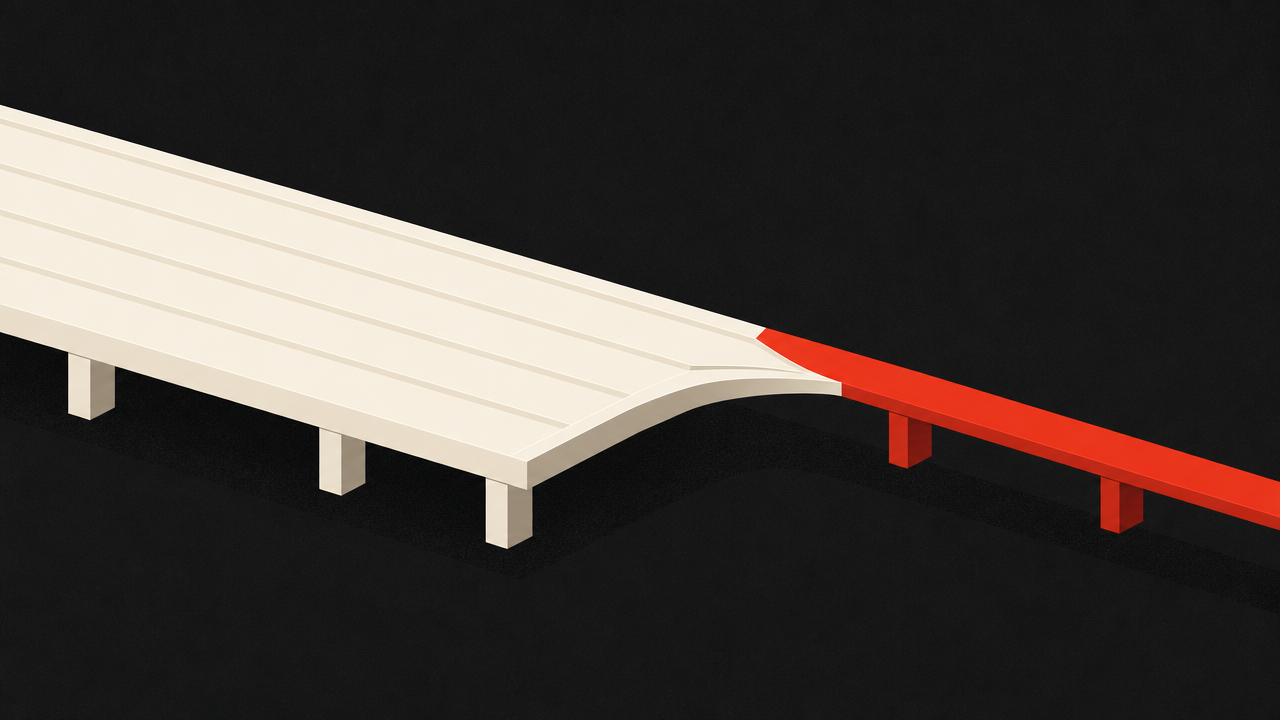

Faster Coding Doesn't Mean Faster Delivery
AI has made implementation dramatically faster, but software delivery hasn't sped up to match. The bottleneck didn't disappear, it moved from writing code to everything surrounding it: clarity, alignment, architecture, and validation.
Align Product Strategy


Why Enterprise Digital Transformations Fail: The Missing Product Definition Phase
Enterprise transformations consistently fail because companies rush from high-level strategy straight into design and development, bypassing the crucial work of defining what they're actually building and why.
Align Product Strategy

Decide and Commit: A Rubric for Successful Digital Transformation in Under 12 Months
Many companies dream of unifying their disparate products into a single customer-centric platform to achieve happier customers, competitive differentiation, and a larger market share. Yet Forrester reports that less than 3% of companies are customer-obsessed. Rangle, an elite frontend platform and agile practices consultancy, has been helping customers achieve this for 10 years. In this blog post, we reflect on our experiences and share our recommendations for a successful digital transformation in under 12 months.
Modernize Your Stack