Frontend Cloud
Our services

Figma
Our experts provide tailored, hands-on Figma training for your team, covering basic design principles to advanced features. Quickly and confidently adopt Figma, streamline your design process, and improve collaboration. Maximize your Figma investment with our help.
See how we can help
Chromatic
Streamline UI testing & review with Chromatic. Our experts will set up, optimize & train your team to catch visual/functional bugs across browsers. We’ll also help you create an efficient team sign-off process. Maximize your Chromatic investment with our help.
See how we can help
Vercel
Our experts can help you start the journey to front-end efficiency and digital effectiveness. Spend 90% less time managing infrastructure while also increasing your site performance by 90% based on Core Web Vitals. Maximize your Vercel investment with our help.
See how we can helpFigma


Using Figma Variables to build a Multi-Brand Design System
Interested in learning how to build a multi-brand design system using Figma variables? We suggest two approaches for organizing your design system based on the number of brands and their distinctiveness. Using Figma variables offers several benefits, including centralized asset management, brand customization, and efficient design workflow. However, managing a multi-brand design system also presents challenges such as collaboration, scalability, and governance. Overall, the strategic use of variables can revolutionize how you manage and present your brand identities.
Scale Design

The Switch to Variables
In this blog, we compare the strengths and weaknesses of Figma variables and Tokens Studio, and the implications of each on the design system you're creating.
Scale Design


Figma's Dev Mode – Why Design System Teams Love It
Figma's commitment to collaboration tools, such as comments and developer plugins, ensures a seamless and transparent exchange of ideas between design and development teams. With Figma's Dev Mode, the communication gap has narrowed, and developers are now equipped with a tool that not only enhances their workflow but also fosters a collaborative and productive development experience.
Scale Design

Vercel


Demystifying the Frontend Cloud: What is it and why should you care?
Welcome to the realm of frontend cloud. If you're feeling a bit lost, don't worry – you're not alone. In this blog post, we'll demystify the frontend cloud, break down the jargon and explore its benefits to understand why it's crucial for your digital success.
Modernize Your Stack


A quick start guide for enterprises: How to use a Frontend Cloud solution like Vercel within your corporate IT strategy
This article discusses how to use a modern frontend cloud solution like Vercel within your corporate IT strategy and a way to retain your frontend staff who crave a modern way of working.
Escape CMS & Commerce Lock-In

Decide and Commit: A Rubric for Successful Digital Transformation in Under 12 Months
Many companies dream of unifying their disparate products into a single customer-centric platform to achieve happier customers, competitive differentiation, and a larger market share. Yet Forrester reports that less than 3% of companies are customer-obsessed. Rangle, an elite frontend platform and agile practices consultancy, has been helping customers achieve this for 10 years. In this blog post, we reflect on our experiences and share our recommendations for a successful digital transformation in under 12 months.
Modernize Your StackRelated expertise

Frontend Development
Frontend Development
Modernize customer-facing systems with frontend architectures that are easier to evolve.
See how we help
Design Systems
Design Systems
Build a design system that helps teams ship on time and on brand.
See how we helpRelated case studies
Kenvue
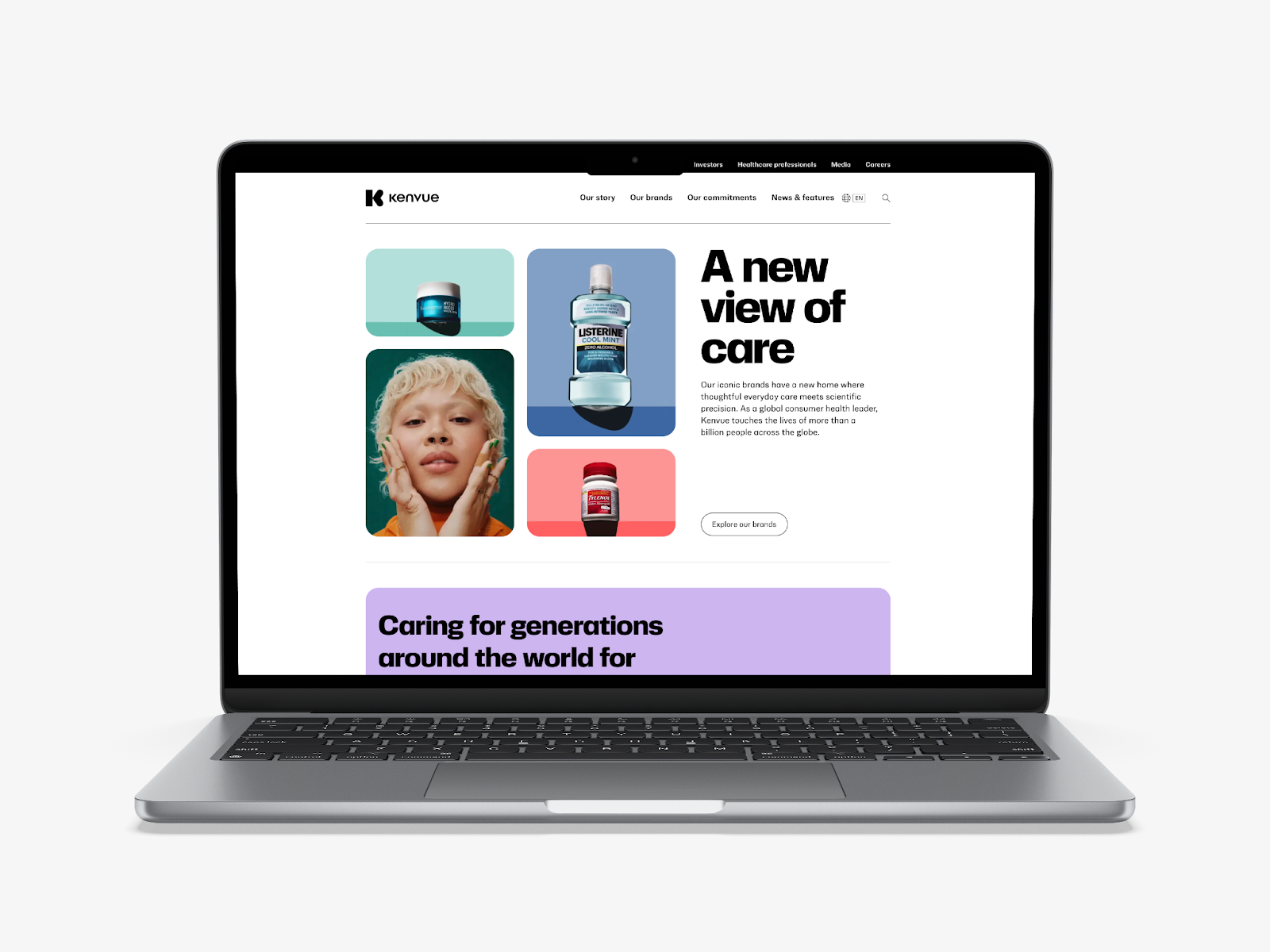
Building a new view of care in 3 months
We helped Kenvue modernize its digital presence by deploying a composable DXP and design system, enabling efficient migration and brand consistency across 80+ brands.
Case Study

Emburse
Revolutionizing B2B SaaS Marketing: A Successful 6-Month Migration from Crownpeak to a Modern Tech Stack (Vercel, Sanity, Next.js)
Revolutionizing B2B SaaS Marketing: A Successful 6-Month Migration from Crownpeak to a Modern Tech Stack (Vercel, Sanity, Next.js)
Case Study

Endy
10 weeks to build and migrate to a new headless e-commerce platform with Sanity, Vercel and Shopify
Website re-platform and performant headless e-commerce platform build.
Case Study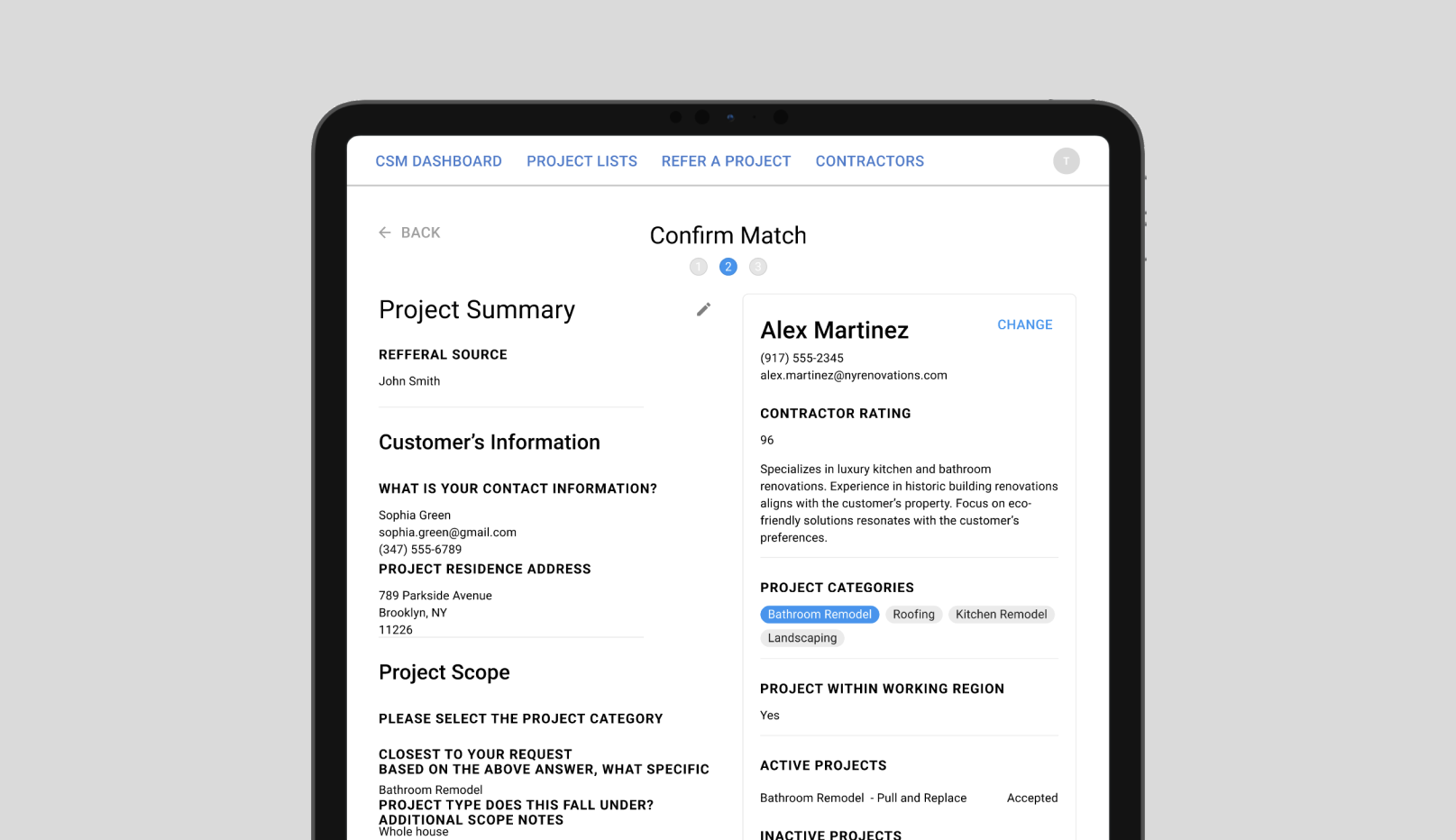
Three weeks to launch a scalable AI-powered marketplace solution with secure governance
In just three weeks, we built and deployed a secure human-in-the-loop matchmaking system for a service marketplace platform. Using generative AI and an open-source AI governance platform, the solution minimizes operational costs, accelerates lead response times, and scales without increasing headcount, with oversight, traceability, and control at its core.
Case StudyFrequently Asked Questions
A frontend cloud is an integrated platform that combines hosting, deployment, performance optimization, and developer tooling for frontend applications. Unlike assembling individual open-source tools (a bundler here, a CDN there, CI/CD somewhere else), a frontend cloud provides a cohesive ecosystem where everything works together. This matters because frontend complexity has exploded. Modern web applications require edge computing, image optimization, incremental static regeneration, and sophisticated caching strategies that are difficult to implement and maintain with disconnected tools. Platforms like Vercel provide this integrated experience, letting teams focus on building features rather than infrastructure. Rangle helps organizations adopt and optimize these platforms based on 10+ years of JavaScript application development experience.
Vercel's architecture is built around edge computing and automatic optimization. Organizations typically see infrastructure management time reduced by up to 90% while site performance improves by up to 90% based on Core Web Vitals. The improvements come from several mechanisms: automatic edge deployment puts your application close to users globally, image optimization reduces payload sizes without manual effort, incremental static regeneration keeps content fresh without full rebuilds, and built-in analytics identify performance bottlenecks. Rangle helps organizations migrate to Vercel and configure it for optimal performance. The platform is powerful but configuration decisions around caching, rendering strategies, and edge functions significantly affect real-world results.
Rangle partners with and provides expert implementation for five key platforms. Vercel for hosting, deployment, and edge computing. Figma for design systems and design-to-development workflows. We provide tailored training from design principles to advanced features. Chromatic for UI testing, visual regression detection, and cross-browser review workflows. Supernova and Zeroheight for design system documentation and design token management. Beyond individual tools, Rangle's value is in integration: connecting these tools into a workflow where design changes flow through to tested, deployed code with minimal friction. Our 10+ years building production JavaScript applications means we've seen which tool combinations work and which create more complexity than they solve.
Adoption fails when organizations buy tools without changing workflows. Rangle's approach combines hands-on training with workflow integration. For Figma, we provide experiential training covering design principles through advanced features, tailored to your team's current skill level and design system needs. For Chromatic, we set up UI testing workflows, configure visual regression detection, and train teams on efficient sign-off processes. For Vercel, we handle migration, configure optimization settings, and establish deployment workflows. The training is always practical: your team works with their actual projects, not generic exercises. We stay engaged post-adoption to troubleshoot issues and refine workflows as teams build confidence with the new tools.
Yes. Modern frontend cloud platforms are designed to integrate with existing infrastructure, not replace it. Vercel supports Next.js, React, Angular, Vue, and static sites. It hosts the frontend while your existing backend services, APIs, and databases remain unchanged. Figma integrates with any design workflow and can generate tokens for any component framework. Chromatic works with Storybook, which supports virtually every frontend framework. The key architectural decision is how much to migrate at once. Rangle typically recommends a gradual approach: start with one product or team, demonstrate results, then expand. This reduces risk and lets teams build proficiency before the tools become organization-wide infrastructure.
From the blog
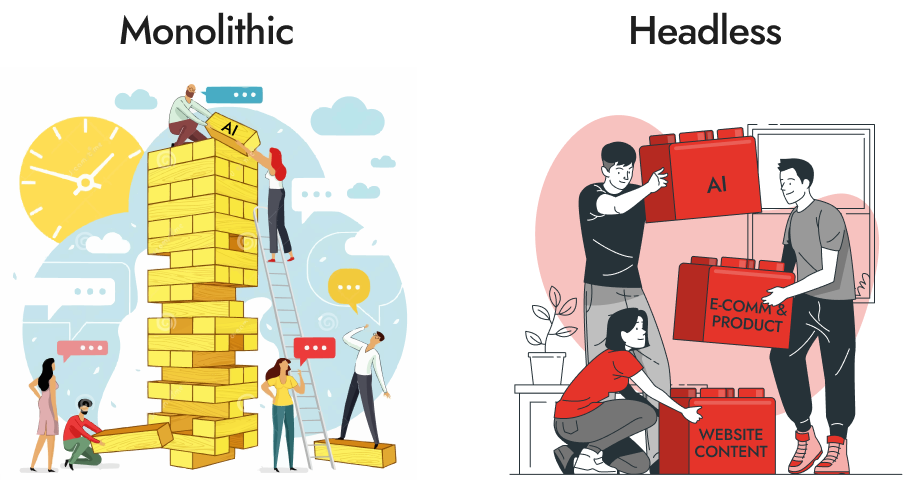

Why you should go headless to ship AI-driven experiences
Adopting a headless architecture enables businesses to launch AI-driven experiences faster – without requiring a complete overhaul of existing tech stacks. Industry leaders like Nike and Alaska Airlines use this approach to cut costs and deliver AI-powered customer experiences that set them apart.
Escape CMS & Commerce Lock-InDemystifying the Frontend Cloud: What is it and why should you care?
Welcome to the realm of frontend cloud. If you're feeling a bit lost, don't worry – you're not alone. In this blog post, we'll demystify the frontend cloud, break down the jargon and explore its benefits to understand why it's crucial for your digital success.
Modernize Your StackDecide and Commit: A Rubric for Successful Digital Transformation in Under 12 Months
Many companies dream of unifying their disparate products into a single customer-centric platform to achieve happier customers, competitive differentiation, and a larger market share. Yet Forrester reports that less than 3% of companies are customer-obsessed. Rangle, an elite frontend platform and agile practices consultancy, has been helping customers achieve this for 10 years. In this blog post, we reflect on our experiences and share our recommendations for a successful digital transformation in under 12 months.
Modernize Your Stack