Frontend Development
Our services

React
We're leaders in React development, having built some of the earliest applications using the library over 12 years ago. Our team of experts are skilled in creating high-performance, user-friendly web applications using the latest React and React Native libraries.
See how we can help
Angular
Our long standing expertise in Angular frameworks software development experience means we've seen it all. From our deep collaboration with the Google Angular team to more than 40 Angular apps shipped, our team has the experince to tackle whatever problems you might be facing.
See how we can help
Web Components
Whether you need to migrate from a legacy Angular codebase to the latest version, or want to move away from Angular to another JavaScript library like React, we've done it. We've completed over 50 Angular migration engagements and over 440 Angular or AngularJS projects. We'll help you migrate quickly and effectively and ensure you're set up for future success.
See how we can helpReact

How React and Redux brought back MVC and everyone loved it
Are we still talking about MVC? Isn't it dead already, with UML and waterfall? We want to soar through the cloud, create lambdas, use modern stacks, integrate with top-of-the-line libraries, the latest and the greatest — not something from a dust-covered book written a long time ago, in a galaxy far, far away. I hear you, young Padawan, but give me a few minutes of your time, and I'll explain how those two intersect, and how you can sit on the shoulders of giants.
Frontend Development
How to build a React app using Remix (Part 1 of 3)
Remix is a great framework and very easy to learn. If you have any prior knowledge or experience using React + (Gatsby, Next.js, etc.), you will soon realize that Remix is a very similar framework. This three-part series will teach you how to build a React app using Remix Run and Prisma.
Frontend Development

Styled Components, Styled Systems and How They Work
Sometimes the libraries that we use daily can seem a little bit like magic. By taking the time to understand the fundamental JavaScript features that make these libraries possible, we become better equipped to improve our use of those libraries, applying their functionality in unique and relevant ways.
Scale DesignAngular


Learning approaches for Angular
Angular has its roots in AngularJS, and many of the models from that initial framework remain relevant in the version we use today. Even with new changes like Standalone Components coming to the language, teams should be aware of the history and methodology at work here. Architects especially need to look for language features and anti-patterns that might trap their team and lead to performance bottlenecks in their systems.
Build Engineering Capability
What standalone components mean for Angular
Abdella Ali and Ben Hofferber discuss the Angular team's new Standalone Components RFC (Request For Comment) and what it means for today's Angular architects.
Modernize Your Stack

Using Angular schematics to supercharge the developer experience
In this article, we'll explore practical use cases of leveraging Angular schematics to enhance the developer experience for both your team and developers who adopt your design system.
Build Engineering CapabilityMigrations


Five common myths that will postpone your legacy modernization
Legacy systems are often cited as one of the top barriers to digital transformation success.
Modernize Your Stack
The myth of AngularJS migration: Moving from JS to Angular 11 is going to feel like replatforming
For those still using the JavaScript framework, it's time to migrate your frontend to the modern Angular 11+, in order to avoid security risks and browser compatibility issues once the end-of-life date approaches.
Modernize Your Stack


Migrating from legacy monolithic systems to composable DXPs
We're living in a digital-first reality, and more fintech companies are disrupting the banking and financial services sector with technology, leaving traditional banks struggling to keep up.
Escape CMS & Commerce Lock-In
Helping Google migrate their sites from Angular 2 to Angular 4
Learn howMore resources
Rangle's Angular Training Book
This book will cover the most important Angular topics, from getting started with the Angular toolchain to writing Angular applications in a scalable and maintainable manner.
Read nowRelated expertise

Design Systems
Design Systems
Build a design system that helps teams ship on time and on brand.
See how we help
Frontend Cloud
Frontend Cloud
Use a frontend cloud stack that reduces infrastructure drag and improves performance.
See how we helpStuck on a legacy platform?
We help teams migrate to modern stacks — fast, safe, and without the drama.
Get in touchRelated case studies
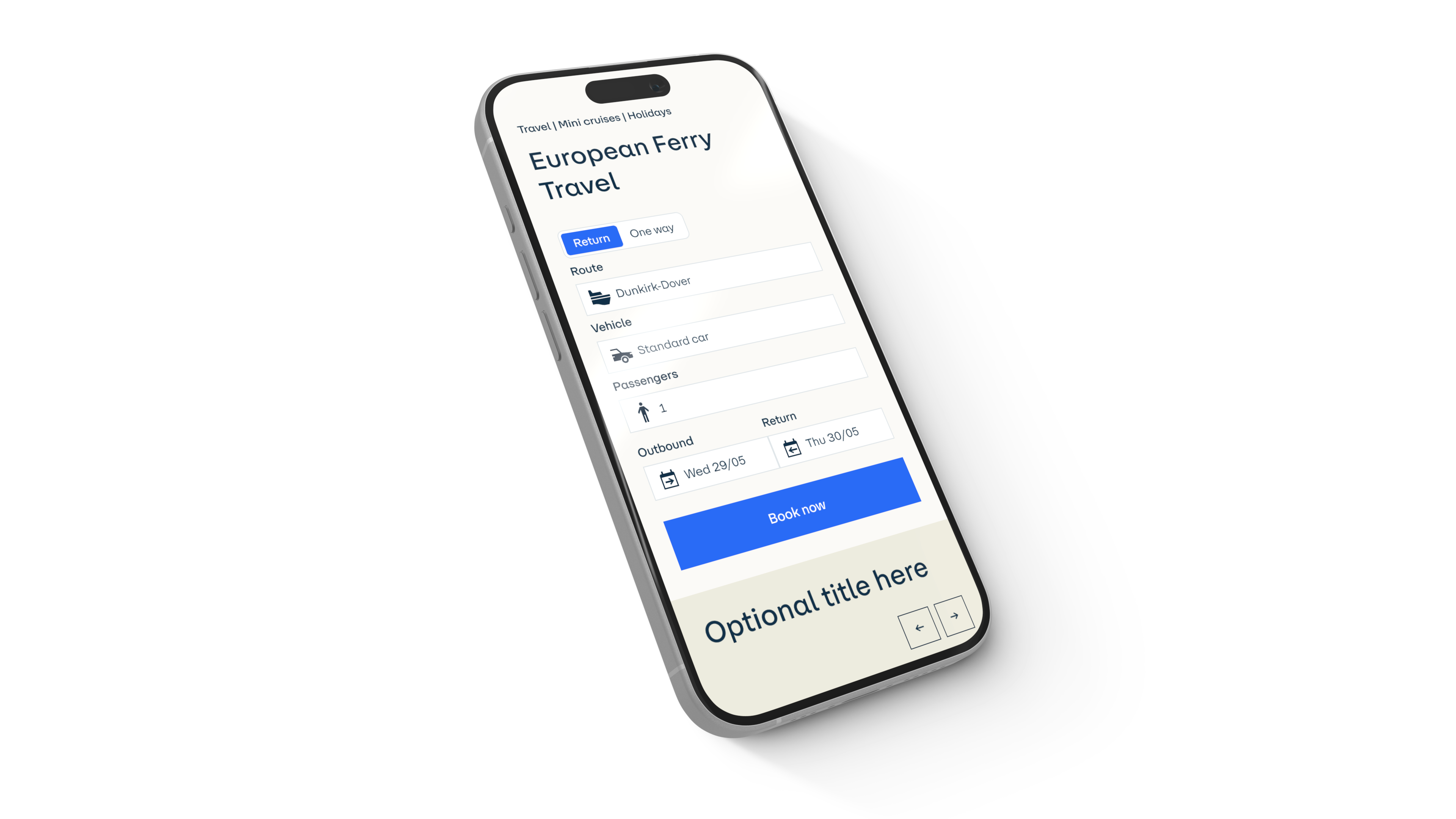
Building a Scalable Design System in 4 Months
Learn how we built a scalable design system in 4 months using Figma and shadcn/ui, reducing build times by 90% and enabling same-day marketing page creation for a European travel company's digital transformation.
Case Study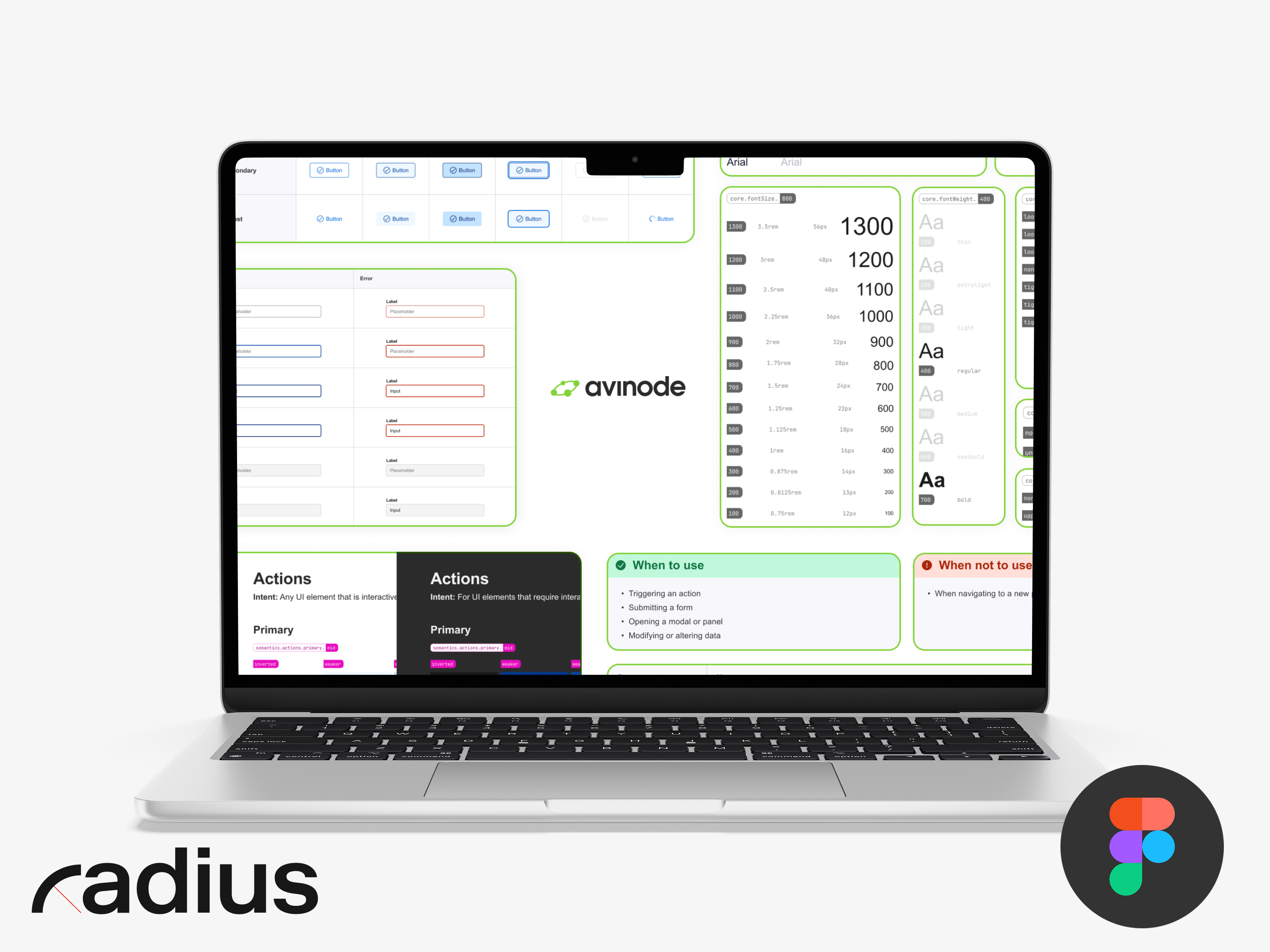

Avinode
A design system foundation in 6 weeks
How we built a scalable design system foundation for Avinode in 6 weeks, unifying global teams and accelerating development across their aviation platform.
Case Study

Emburse
Revolutionizing B2B SaaS Marketing: A Successful 6-Month Migration from Crownpeak to a Modern Tech Stack (Vercel, Sanity, Next.js)
Revolutionizing B2B SaaS Marketing: A Successful 6-Month Migration from Crownpeak to a Modern Tech Stack (Vercel, Sanity, Next.js)
Case Study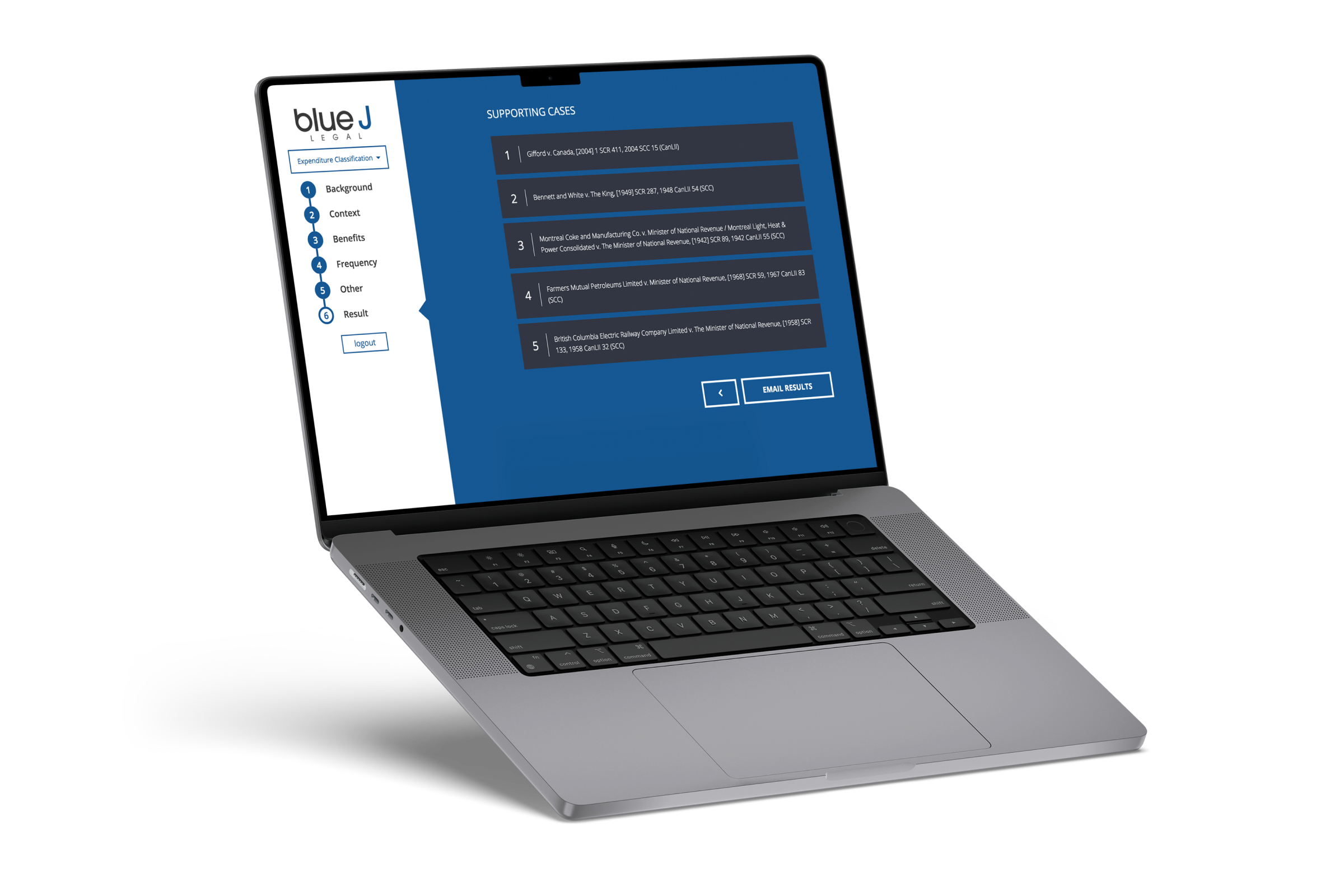

Blue J Legal
Simplifying the work of tax professionals with a mobile app
Blue J Legal successfully launched its AI-powered research tool and acquired its first paying customers during their partnership with Rangle.
Case Study
A cutting-edge digital therapeutics app built in just a few short months
We re-designed and improved the user flow for a digital therapeutics app in a few months.
Case Study

Ipsen
Rebuilding the native Dysport dosing guide to a Progressive Web Application in 5 months
We rebuilt Ipsen's native Dysport dosing guide to a Progressive Web Application with Vue.js in 5 months.
Case StudyFrequently Asked Questions
Rangle has 10+ years of production experience across the major frontend frameworks: React (including Next.js and React Native for mobile), Angular, Vue.js, and Web Components. We're full-stack frontend development experts, meaning we handle everything from product strategy and design through to implementation, testing, and deployment. Our team doesn't just know the frameworks. We understand when each one is the right choice. React and Next.js are our recommendation for most new projects. Angular remains strong for large enterprise applications with complex form requirements. Vue excels in progressive enhancement scenarios. Web Components are ideal when you need framework-agnostic components that work across multiple technology stacks.
Rangle delivers results in weeks, not months. Using agentic development workflows, where AI agents work alongside experienced engineers, we typically deliver production-ready frontend applications 2-3x faster than traditional approaches. For example, we built Flexday's React Native mobile app in 2.5 months and delivered Ipsen's Progressive Web Application in 5 months. The speed comes from three things: experienced engineers who've built hundreds of applications and can make architecture decisions quickly, agentic workflows that handle implementation volume while humans focus on quality and architecture, and lean/agile ways of working that prioritize shipping working software over comprehensive documentation.
The best framework depends on your specific context, not framework popularity. React (with Next.js) is the strongest general-purpose choice. It has the largest ecosystem, best AI tooling support, and most flexible architecture. Angular is ideal for large enterprise applications with complex forms, strict typing requirements, and teams that value an opinionated framework with built-in solutions for routing, state management, and HTTP. Vue excels in progressive enhancement scenarios and teams transitioning from jQuery or server-rendered applications. Web Components make sense when you need components that work across multiple frameworks, particularly useful for design systems serving diverse technology teams. Rangle helps you make this decision based on your team's skills, project requirements, and long-term maintenance considerations.
Web Components are browser-native custom elements that work across any JavaScript framework or no framework at all. They let you create reusable UI components that can be deployed on any website regardless of its technology stack. Rangle recommends Web Components in two primary scenarios: when you're building a design system that needs to serve teams using different frameworks (React, Angular, Vue), and when you need to deliver interactive content that can be embedded in third-party sites or legacy systems. The trade-off is that Web Components require more manual work for reactivity and state management compared to framework components. For projects entirely within one framework, native framework components are usually the better choice.
Yes. Embedded collaboration is our primary engagement model. Rangle engineers join your team, work in your codebase, use your tools, and participate in your processes. We're not an outsourced team delivering code over a wall. This embedded approach means knowledge transfers naturally: your team learns modern frontend practices, architectural patterns, and development techniques by working alongside our engineers daily. We've done this with organizations ranging from startups to enterprises, across React, Angular, and Vue projects. For teams looking to upskill in agentic development workflows specifically, we can introduce AI-assisted development practices gradually so your team builds confidence with the new approach while maintaining delivery velocity.
From the blog


Why Your Digital Experience Platform Will Fail Without a Monorepo: The Architecture Decision That Makes or Breaks Enterprise Digital Platforms
Most enterprise DXP failures stem from a single architectural flaw: fragmented codebases. A monorepo enforces integration discipline, reduces costs, and enables AI-driven personalization. Without it, your platform is at risk of collapse. If you're responsible for delivering a scalable customer platform, here's why foregoing a monorepo architecture is a strategic liability.
Escape CMS & Commerce Lock-In

GraphQL Performance Optimization
I recently joined a team in a great position - their GraphQL API PoC was green-lit to become the company's future platform and was nearing feature parity with their existing REST-ish API. As more product teams inside the company started building applications on the GraphQL API, the API team had to dedicate time to support, operations, bug fixes, and new features requested by product teams. Time for performance improvements was squeezed out, so I joined the effort to lower the server's response times and reduce resource usage with my fresh eyes and questions about everything.
Frontend Development

How to modernize your front-end tech stack for AI without disrupting legacy systems: a digital innovator's guide
Enterprises often struggle with rigid, outdated front-end systems that drive up costs and hinder their ability to adapt to market demands. Here's what a modern, AI-ready tech stack looks like and how you can achieve AI readiness incrementally in complex enterprise environments.
Modernize Your Stack