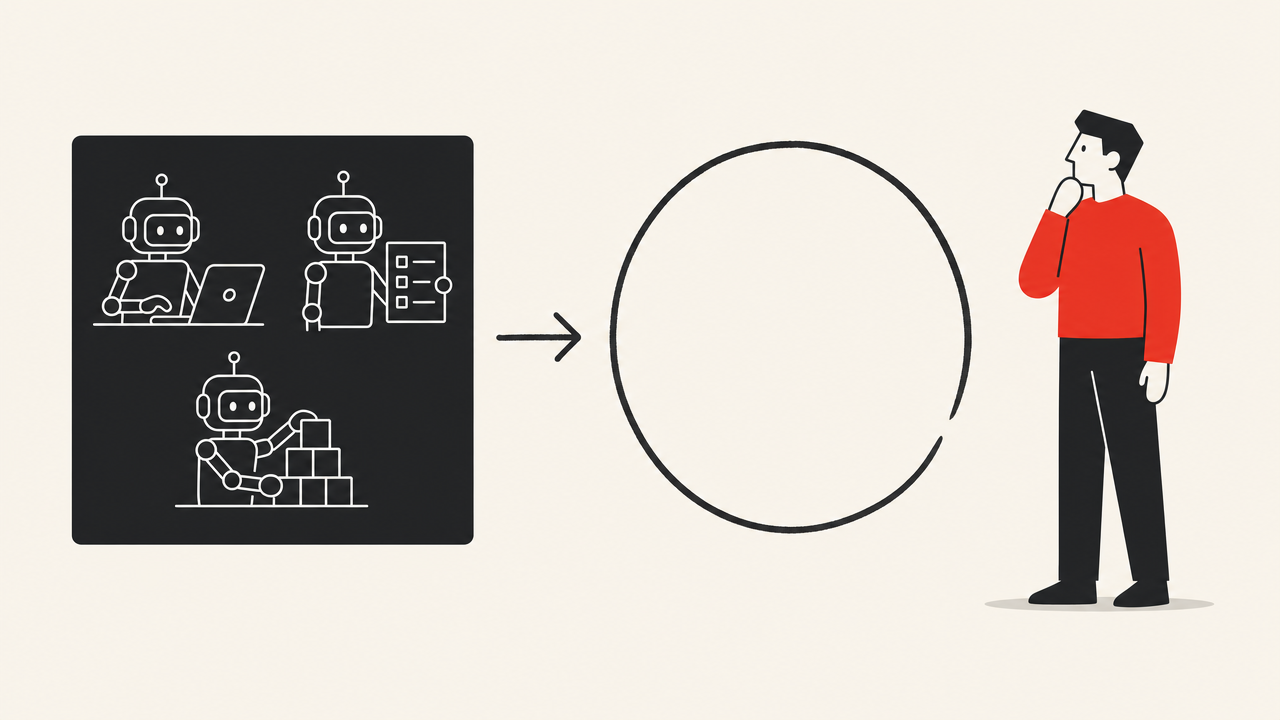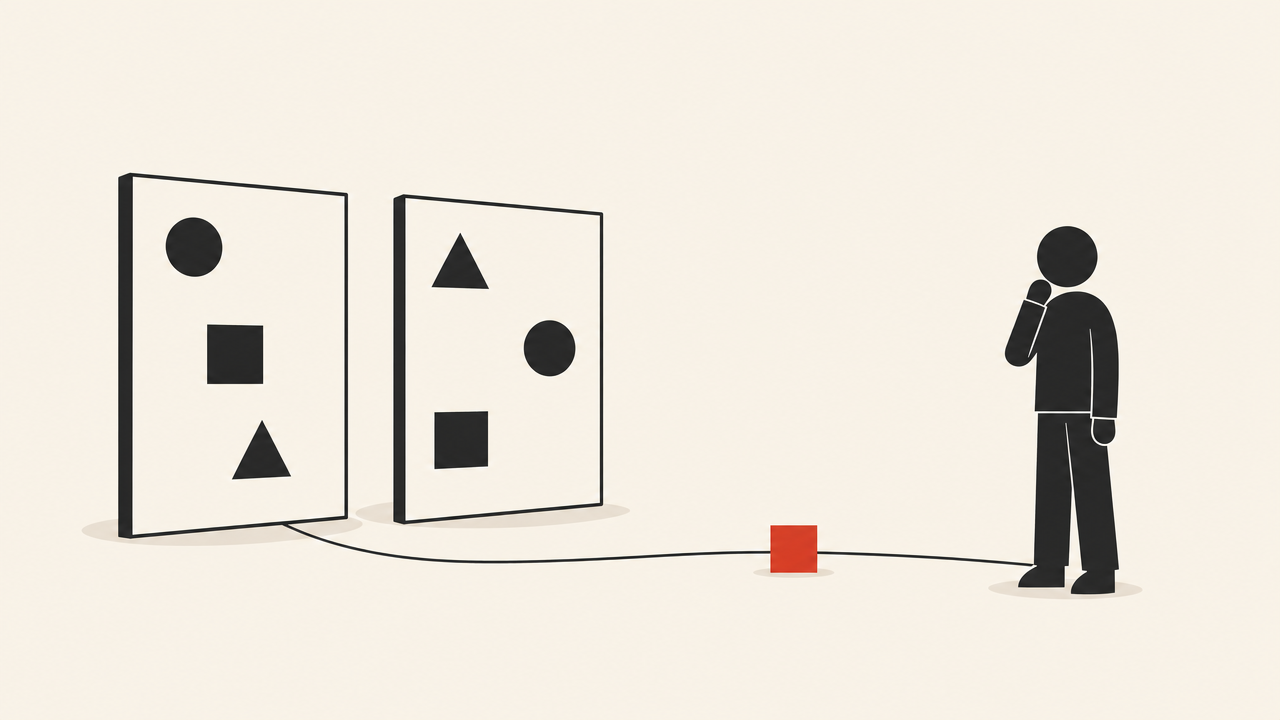
Every few weeks someone posts a demo: a weekend of prompting, a working CRM, and a caption announcing that Salesforce is finished. The replies split into two camps. One agrees. The other points out that a weekend app has no permissions model, no audit trail, no integrations, and nobody on call at 3 a.m.
Both camps are arguing about the wrong question. "Can a vibe-coded app replace Salesforce?" asks whether the new thing can climb a mountain the old thing spent twenty-five years building. Today, mostly, it can't. That answer tells you almost nothing about where the market is heading.
Run the test in reverse
Flip it around. Imagine a company that has already vibe-coded its own CRM. It works. It tracks exactly the deals, stages and relationships that matter to this business, in this business's own words. When sales wants a new field or a new view, someone asks for it in the morning and has it by lunch.
Now a Salesforce rep walks in. What is the pitch?
"Migrate everything into our data model. Retrain your team on our screens. Pay per seat, every year. Hire an admin, or a partner, to bend the platform back toward what you already had."
Is there any chance that sale closes? The answer is a resounding no. There is nothing to win on. The incumbent's strengths, breadth and configurability, are exactly what the custom tool made unnecessary.
That reverse question is the one worth asking, because it describes the end state. Replacement doesn't have to happen in one dramatic swap. It happens one team at a time, as tools get built that no suite can ever win back.
Suites are opinions you pay for
Big suites and everything-plugins were a good deal when software was expensive to build. You accepted someone else's idea of how a pipeline works, how a ticket flows, what a customer record looks like, because building your own was out of reach. The opinions came bundled with the software, and the software was the scarce part.
That trade has flipped. When a working tool costs days instead of quarters, the opinions stop being a convenience and start being friction. Every screen you don't need, every workflow shaped for an average customer, every field renamed to fit the vendor's vocabulary is a cost you now have a choice about.
In a build-it-yourself era, the most opinionated products are the most exposed. Not because they are bad, but because their main value was saving you from building, and building is no longer the hard part.
What actually holds incumbents in place
If Salesforce isn't winning on fit, why is it still everywhere? Two reasons, and neither is the product.
The first is the status quo. The data is already there, the reports already run, and the people who know how it all works are busy. Switching anything carries risk, and nobody gets promoted for a smooth CRM migration.
The second is the ecosystem: the integrations, the AppExchange, the consultants, the certified admins, the hiring pool that already knows the tool. That network is real, and it is the moat.
But notice what kind of moat it is. It defends the installed base. It does very little to win new ground against a tool that already fits. Status quo protects the incumbent where it already is, and ecosystems matter less each time an integration can be generated in an afternoon. Both are holding positions, not growth engines.
Ask the question that predicts something
"Can vibe code replace Salesforce?" invites a feature comparison, and the incumbent wins every feature comparison for now. The reverse test asks something sharper: once a business owns a tool that fits, can anyone sell it a generic one again? The answer is no, and that one-way door is the whole story.
For leaders, the practical move isn't to rip anything out. It's to stop treating the suite as the default for every new need, notice where the platform is earning its keep and where it's just inertia, and start building the tools that fit. Each one you build is a piece of ground the incumbent will never take back.