EventsAI Dev Craft · September 16, 2026
Why Lovable, Vercel and Supabase Are the Wrong Stack for AI Development
And what you should use instead. Nick Van Weerdenburg joins AI Dev Craft to explain why narrow PaaS platforms are the wrong choice for building and deploying AI agents and applications.
- Wednesday, September 16, 2026
- 11:00 AM MT (1:00 PM ET)
- Virtual · Hosted by AI Dev Craft
EventsAI Dev Craft · September 16, 2026
Why Lovable, Vercel and Supabase Are the Wrong Stack for AI Development
Nick Van Weerdenburg joined AI Dev Craft to explain why narrow PaaS platforms are the wrong choice for building and deploying AI agents and applications, and what to use instead.
This event happened on September 2026. We're not running it again, but you're welcome to ask us about hosting one for your team. Get in touch.
Move over SaaSocalypse. Welcome to the PaaSocalypse.
Narrow PaaS platforms are the wrong choice for building and deploying AI agents and applications. Agents easily span all of the technology, data, workflow and security needs of complex solutions.
Why narrow PaaS platforms fall short
- Integrations. PaaS integrations have high latency, high cost and a poor security profile. Vercel to Supabase to SSO to a search engine to a workflow engine adds up fast.
- Technology selection. This industry moves quickly, and you need to be able to use different technologies and languages. Narrow PaaS is a five-year-old bet.
- Analytics. Cheap analytics is essential, and the PaaS egress tax on telemetry and logging is steep.
- Identity. A single identity and authorization layer across all services and agents is fragile in narrow PaaS.
- Durable execution and event queues. Platforms are shipping unproven, narrow solutions that work with a limited set of languages and technologies. Real AI applications are not "build in a weekend, scale to millions" prototypes.
- Governance, risk and compliance. Critical corporate data and activities need GRC. Are you willing to bet that most applications won't move on prem to sit next to their data and agentic workflows?
- Environments. Teams need multiple fully managed test and validation environments. Building on a front-end PR is a naive and limiting workflow.
In the agentic world, more capability is more convenience
The benefit of PaaS is ease of use, plus outsourced operations and compliance. With agentic development and agentic operations, the two curves of capability and convenience have flipped.
- Agents get access to more raw materials.
- Agentic systems handle the complexity, so you get it with conversational convenience.
- Everything is co-located on common infrastructure for data and security.
Kubernetes is the answer. Kilter changes the experience.
Kubernetes has historically been too complex for both application development and hosting. Kilter lets developers build agentically, directly against Kubernetes-managed infrastructure, with a better developer experience and a more powerful platform than a traditional narrow PaaS.
kilter init, then develop in Claude Code while Claude uses the right infrastructure.kilter deploy, and your app runs with Go, Python, TypeScript, Temporal, Kafka, Postgres, Redis and Elasticsearch in the open source cloud, with high availability, point-in-time Postgres backups, integrated logging and no lock-in.kilter packagebundles your app for your own internal Kubernetes production pipelines.
If you don't want to host it yourself, Paddington.io offers Kilter and managed Kubernetes hosting, without the lock-in.
The talk makes the case for replacing Vercel, Lovable, Replit, Render and Supabase with one tool that brings the full power of open source to both agentic development and infrastructure.
Rangle team at this event

Want to learn more?
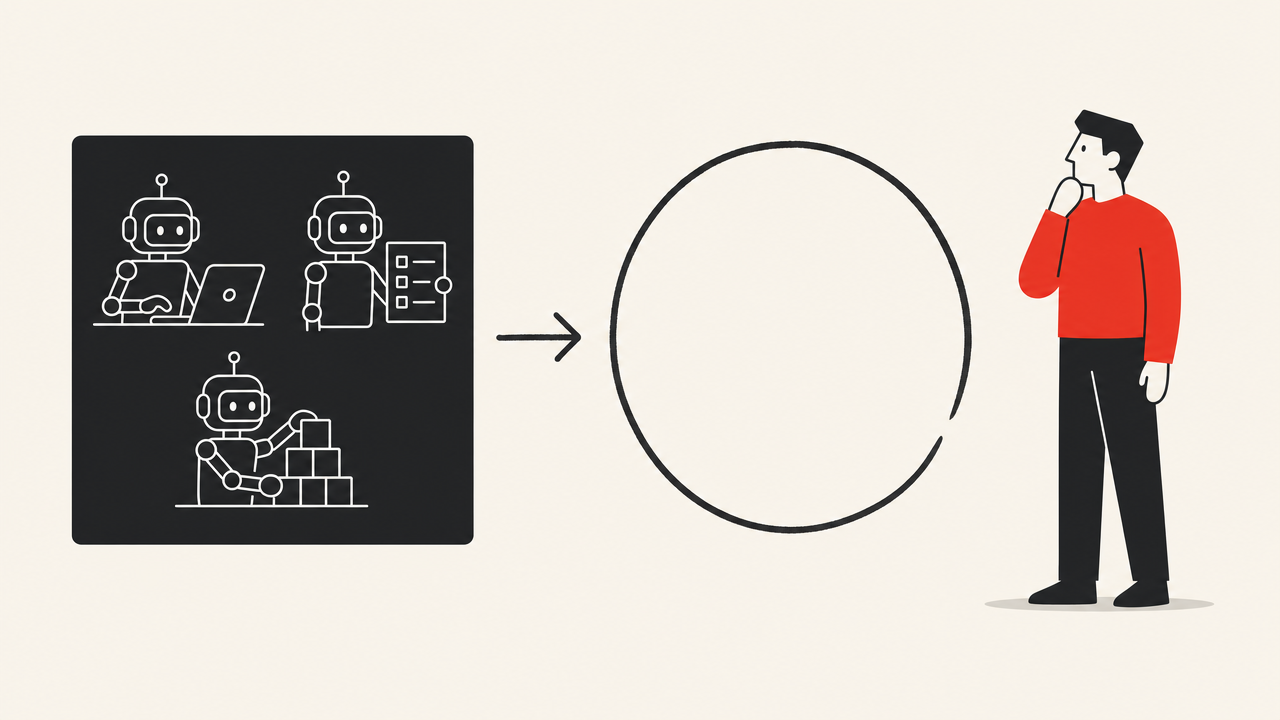

What Is a Developer Now? The Job Got Bigger
The industry agrees on where developer time goes now: more planning, more review. But that story leaves the unit of work untouched. The real shift is appetite and controls: each builder owning bigger, fuzzier scopes and building the systems that make them safe to trust.
Build Engineering Capability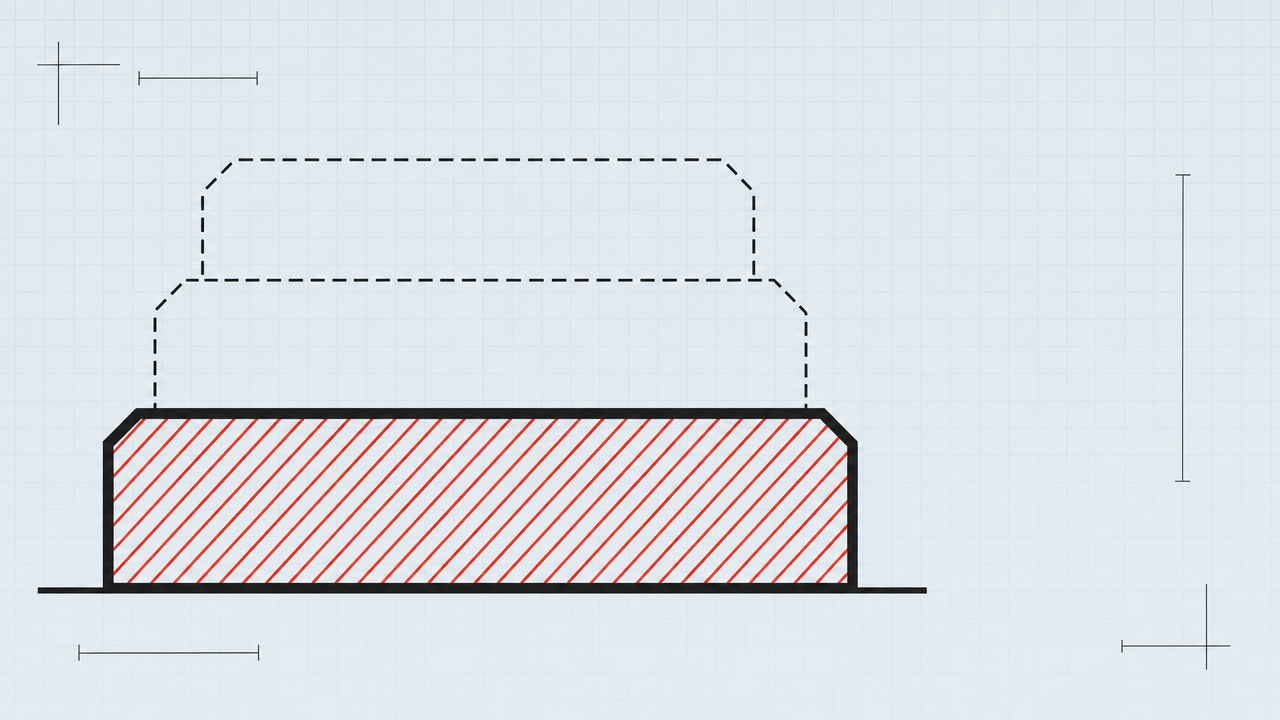
Why AI Roadmaps Stall in Regulated Environments
Across regulated industries, the AI roadmap stalls at the same wall: a managed-service stack that cannot host the operational layer agentic workflows need. What sovereign infrastructure means, why AI makes now the moment, and what the actual work looks like.
Agentic Platform StudioWant to host an event with Rangle?